
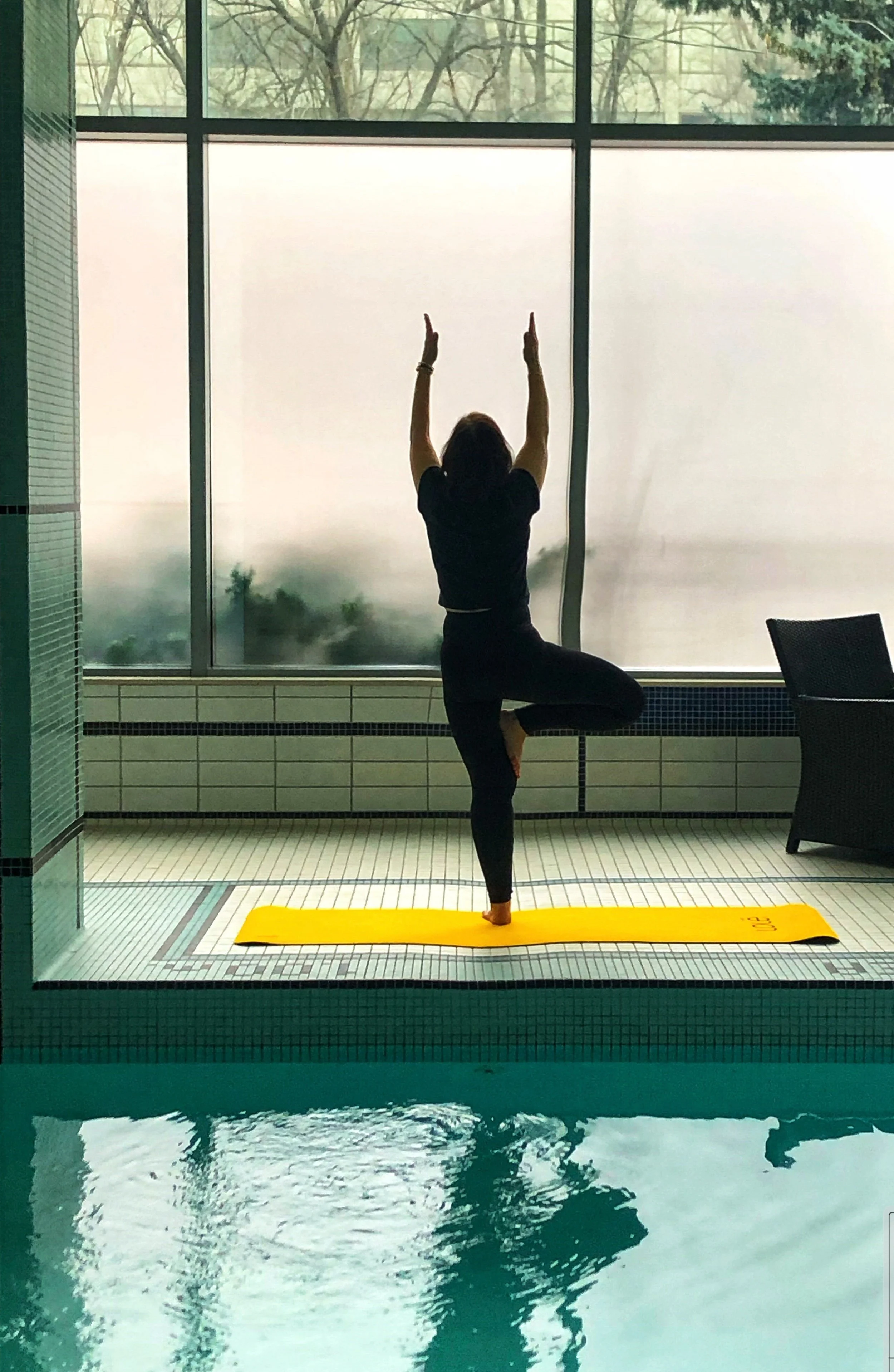
Online Yoga Classes for Beginners: Everything You Need to Know Before You Start
Discover how to start online yoga as a beginner. Learn the benefits, what you'll need, how often to practice, and answers to the most common questions about online yoga classes.
Starting something new can feel a little intimidating, and yoga is no exception. If you've ever thought, "I'm not flexible enough," or "I have no idea where to begin," you're not alone. These are some of the most common concerns I hear from people who are interested in trying yoga for the first time. One thing I've noticed after teaching beginners is that almost everyone arrives thinking they're 'not flexible enough.' Within a few weeks, that concern usually disappears. They begin moving more comfortably and, more importantly, they start enjoying the practice.
The good news is that you don't need to be flexible, athletic, or experienced to enjoy the benefits of yoga. You simply need a willingness to start.
At Zenmatyoga Studio, we've welcomed people of all ages and abilities into our online yoga classes. Some are looking to ease back pain from sitting at a desk all day, others want to reduce stress, and many simply want to move their bodies in a way that feels good. Whatever your reason, yoga can meet you exactly where you are.
Why Choose Online Yoga?
One of the best things about online yoga classes is the freedom they offer. There's no rushing through traffic to make it to a studio or worrying about being late. You can roll out your mat in your living room, bedroom, or even your backyard and begin.
Many beginners actually prefer learning at home because it feels more relaxed. There's no pressure to keep up with anyone else, and you can focus on your own practice without comparing yourself to others.
You'll also find it easier to fit yoga into your schedule, whether you have twenty minutes before work or an hour to unwind in the evening.
Do Online Yoga Classes Really Work?
Yes, they do.
Over the years, I've seen students build strength, improve flexibility, and feel more confident practicing from home. The biggest factor isn't whether you're online or in a studio—it's showing up regularly.
Even practicing two or three times a week can make a noticeable difference. Many people begin to feel less stiff, sleep better, and enjoy a greater sense of calm after just a few weeks of consistent practice.
"I'm Not Flexible Enough."
If that's what you're thinking, you're exactly the kind of person yoga is for.
Being flexible isn't a requirement—it's something that develops over time. Most people don't walk into their first class able to touch their toes or hold difficult poses.
Yoga is about working with your body, not against it. Every pose can be adjusted to suit your comfort level, and every small improvement is worth celebrating.
What Do I Need to Get Started?
The great thing about yoga is that you don't need much.
A comfortable space, a yoga mat, and clothing that lets you move freely are enough for most classes. If you don't own yoga blocks or straps, don't worry. Pillows, books, or folded blankets can often work just as well when you're starting out.
The most important thing you can bring is an open mind.
How Often Should Beginners Practice Yoga?
You don't have to practice every day to enjoy the benefits.
If you're just getting started, aim for two or three sessions each week. Even a twenty-minute class can leave you feeling refreshed and more connected to your body.
As yoga becomes part of your routine, you'll naturally discover what works best for your lifestyle.
Remember, consistency is far more important than perfection.
What Are the Benefits of Yoga?
People begin yoga for different reasons, but many are surprised by how many areas of their lives it positively affects.
With regular practice, you may notice:
Improved flexibility and mobility
Better posture
Increased strength and balance
Less muscle tension
More energy throughout the day
A calmer mind during stressful times
Better body awareness
While everyone's experience is different, many students tell us that yoga becomes something they genuinely look forward to rather than another item on their to-do list.
Frequently Asked Questions
Can anyone do yoga?
In most cases, yes. Yoga can be adapted for many different ages, fitness levels, and abilities. If you have an injury or medical condition, it's a good idea to speak with your healthcare provider before starting and let your instructor know so they can suggest appropriate modifications.
How long should my first class be?
Around 20 to 30 minutes is a great place to begin. Shorter classes help you build confidence without feeling overwhelmed.
Do I have to be fit before starting yoga?
Not at all. Yoga helps you build strength, flexibility, and balance over time. You don't need to "get in shape" before you begin.
Can yoga help with stress?
Many people find that yoga helps them slow down and feel more relaxed. Gentle movement combined with mindful breathing can be a helpful way to unwind after a busy day.
Is online yoga as good as going to a studio?
For many people, yes. Online yoga offers flexibility, convenience, and the ability to practice in a familiar environment. With a qualified instructor and regular practice, it can be an effective way to build a healthy routine.
What if I can't do every pose?
That's completely normal. Yoga isn't about performing every pose perfectly. Listen to your body, take breaks when you need them, and remember that progress happens one class at a time.
A Few Final Thoughts
Yoga isn't about being the strongest, the most flexible, or the most experienced person in the room. It's about taking time to care for yourself, one breath and one movement at a time.
Whether your goal is to feel less stressed, improve your flexibility, build strength, or simply enjoy moving your body again, online yoga classes are a wonderful place to start.
At Zenmatyoga Studio, we're here to support you every step of the way. No matter where you're starting from, you're welcome here.
Roll out your mat, take a deep breath, and begin your journey. You might be surprised by how much can change with just a little time and consistent practice!
This article was written by the team at Zenmatyoga Studio, where we help beginners build confidence through welcoming online yoga classes, private sessions, meditation, and wellness programs. Our goal is to make yoga accessible to people of all ages and experience levels!

Pawsitively Zen: Unleash Joy with Puppy Yoga!
Discover the paw-fect way to unwind and find inner peace with our unique Puppy Yoga classes! Immerse yourself in a joyful fusion of yoga and cuddly canine companionship, as you flow through poses and share laughter with furry friends. Experience the stress-relieving benefits of yoga enhanced by the presence of playful puppies, and deepen your connection to yourself and the world around you. Join us for a tail-wagging good time and unleash joy with Puppy Yoga!
Yoga has long been celebrated for its ability to promote physical health, mental well-being, and emotional balance. But what if we told you that adding a furry friend to the mix could enhance the benefits of your practice even further? Enter puppy yoga—a delightful fusion of yoga and cuddly canine companionship that offers a unique and joyful experience for practitioners of all levels. In this article, we'll explore the myriad benefits of practicing yoga with a puppy and why it's good for both body and soul.
Stress Reduction and Relaxation: It's no secret that spending time with animals has a calming effect on the mind and body. The presence of a playful puppy during yoga practice can help to alleviate stress, reduce anxiety, and promote relaxation. The gentle warmth of a furry friend nestled beside you can serve as a source of comfort and support, helping you to unwind and let go of tension as you flow through your poses. The playful antics and unconditional love of a puppy can also evoke feelings of joy, laughter, and connection, uplifting your mood and fostering a sense of inner peace.
Increased Mindfulness and Presence: Practicing yoga with a puppy encourages you to be fully present in the moment, embracing the here and now with open-hearted awareness. As you move through your poses, you'll find yourself fully engaged in the experience, attuned to the sights, sounds, and sensations around you. The playful energy of your furry companion serves as a gentle reminder to let go of distractions and immerse yourself fully in the practice. By cultivating mindfulness and presence on the mat, you'll develop a deeper connection to yourself, your practice, and the world around you, enriching your yoga experience both on and off the mat.
Enhanced Bonding and Connection: Yoga with a puppy offers a unique opportunity to deepen your bond with your furry friend while also strengthening your connection to others in the class. The shared experience of practicing yoga together creates a sense of camaraderie and community, fostering friendships and social connections among participants. Whether you're exchanging smiles with your fellow yogis or sharing giggles over a playful puppy pose, the shared joy and laughter of the class create a supportive and uplifting atmosphere where everyone feels welcome and accepted. The mutual trust and affection between you and your puppy deepen as you move and breathe together, strengthening the bond between human and animal in a heartwarming display of companionship and love.
In conclusion, yoga with a puppy offers a delightful fusion of physical, mental, and emotional benefits that enrich your practice and nourish your soul. From stress reduction and relaxation to increased mindfulness and connection, practicing yoga with a furry friend provides a joyful and uplifting experience that leaves you feeling refreshed, rejuvenated, and deeply fulfilled. So roll out your mat, invite your puppy to join you, and embark on a delightful journey of yoga and companionship that will leave you wagging your tail with happiness. Namaste.
photo - @julianamariiarose
Top 10 Benefits of Yoga after you leave the mat
Discover the transformative power of yoga that extends far beyond the confines of the mat. In this insightful article, we delve into the holistic benefits that yoga offers, transcending physical postures to positively impact various facets of daily life. From stress reduction and enhanced mental well-being to improved flexibility, strength, and better sleep, explore how the principles learned on the mat become a guiding force for a more balanced, mindful, and fulfilling existence. Embrace the journey of self-discovery and holistic wellness with the profound influence of yoga beyond the mat.
Beyond the physical practice on the mat, yoga offers a range of benefits that extend to various aspects of life:
Stress Reduction: Yoga incorporates mindfulness and deep breathing, promoting relaxation and reducing stress levels. Practicing mindfulness techniques learned in yoga can be applied in daily life to manage stress.
Improved Mental Health: Regular yoga practice is associated with improved mental well-being. It can help alleviate symptoms of anxiety and depression, enhance mood, and promote a positive outlook on life.
Enhanced Flexibility and Strength: While physical flexibility and strength are developed on the mat, these benefits can carry over into daily activities, making tasks easier and reducing the risk of injury.
Mind-Body Connection: Yoga encourages a strong connection between the mind and body. This awareness can lead to better decision-making, improved self-awareness, and a greater understanding of one's emotions and reactions.
Better Posture: Yoga emphasizes proper alignment and body awareness, contributing to better posture. Improved posture can reduce the risk of musculoskeletal issues and enhance overall physical presence.
Increased Energy Levels: Regular yoga practice is known to boost energy levels. The combination of physical postures, breath control, and meditation can provide a natural energy lift that lasts throughout the day.
Enhanced Breathing: Yoga places significant emphasis on breath control (pranayama). Improved breathing techniques learned in yoga can be applied to manage stress, increase lung capacity, and promote overall respiratory health.
Community and Social Connection: Joining a yoga community or attending classes provides an opportunity to connect with like-minded individuals. This sense of community fosters social connections and emotional well-being.
Better Sleep: The relaxation techniques in yoga, especially during evening practices, can contribute to better sleep. Improved sleep quality positively impacts overall health and daily functioning.
Holistic Wellness: Yoga promotes holistic wellness by addressing physical, mental, and emotional aspects of health. The principles learned on the mat can influence lifestyle choices, leading to a more balanced and fulfilling life.