

Embracing Balance: How Regular Yoga Nurtures Resilience Amid Life's Daily Challenges
In the midst of life's hustle, yoga grounds us in the present moment. Through mindful practice, it equips us to face challenges with clarity and calm. By reducing stress hormones and boosting feel-good neurotransmitters, it fosters resilience in the face of life's demands.
In the hustle and bustle of modern life, we often find ourselves juggling multiple responsibilities, navigating stressors, and striving to maintain a sense of balance. From demanding work schedules to personal commitments and unexpected obstacles, life's daily challenges can sometimes leave us feeling overwhelmed and depleted. However, amidst the chaos, there exists a powerful tool for cultivating resilience and inner strength: yoga.
Yoga is much more than a physical practice; it is a holistic discipline that integrates breath, movement, and mindfulness to promote overall well-being. Through regular practice, individuals can develop the tools and resilience needed to navigate life's ups and downs with greater ease and grace.
One of the most profound ways in which yoga supports individuals in facing life's challenges is by fostering a sense of mindfulness and presence. In today's fast-paced world, it's easy to get caught up in worries about the future or regrets about the past, leading to increased stress and anxiety. Yoga encourages practitioners to anchor themselves in the present moment, cultivating awareness of their breath, body, and sensations. By learning to be fully present on the mat, individuals develop the capacity to carry this mindfulness into their daily lives, enabling them to respond to challenges with greater clarity and perspective.
Moreover, yoga offers powerful tools for managing stress and promoting relaxation. Through the practice of gentle stretches, deep breathing exercises, and restorative poses, individuals can activate the body's relaxation response, calming the nervous system and reducing the production of stress hormones. Regular yoga practice has been shown to lower levels of cortisol, the primary stress hormone, while simultaneously increasing levels of feel-good neurotransmitters like serotonin and dopamine. As a result, practitioners often report feeling more centered, grounded, and resilient in the face of life's stressors.
Beyond its physical and mental benefits, yoga also fosters emotional resilience by providing a safe space for individuals to explore and process their feelings. The practice of yoga encourages practitioners to cultivate self-compassion and acceptance, acknowledging and honoring their emotions without judgment. Through mindful movement and breathwork, individuals can release pent-up emotions stored in the body, promoting emotional release and healing. Additionally, yoga offers opportunities for introspection and self-reflection, allowing practitioners to gain insight into their thought patterns and behavioral tendencies. By developing a greater awareness of themselves and their emotional landscape, individuals can navigate life's challenges with greater emotional intelligence and resilience.
Furthermore, yoga cultivates strength and resilience on a physical level, enhancing flexibility, balance, and stamina. By challenging the body through a variety of poses and sequences, individuals build muscular strength and endurance, improving overall physical resilience. Additionally, the practice of yoga promotes flexibility and mobility, reducing the risk of injury and enhancing recovery from physical strain. As individuals develop greater physical resilience through yoga, they also cultivate a sense of empowerment and confidence in their bodies, enabling them to tackle life's challenges with vigor and vitality.
In essence, regular yoga practice serves as a powerful tool for nurturing resilience and strength in the face of life's daily challenges. By cultivating mindfulness, managing stress, fostering emotional resilience, and promoting physical strength, yoga empowers individuals to navigate life's ups and downs with greater ease, grace, and resilience. As we embrace the practice of yoga on and off the mat, we harness its transformative power to cultivate balance, peace, and well-being in our lives.

The Transformative Power of Just 5 Minutes of Meditation
In today's hyperconnected world, where we are constantly bombarded with information and stimuli, our nervous systems are often in a state of overdrive. Just five minutes of meditation can provide the reset button our minds and bodies desperately need, allowing us to step back from the chaos and find a sense of calm amidst the storm.
Moreover, regular meditation has been shown to improve focus and concentration. By training our minds to remain present and attentive during meditation, we can carry that heightened awareness into other areas of our lives. Whether it's tackling a challenging task at work or simply engaging in a conversation with a loved one, the ability to maintain focus can have a profound impact on our productivity and relationships
In today's fast-paced world, finding moments of peace and tranquility can seem like an impossible feat. However, amidst the chaos, there exists a simple yet powerful practice that can bring about profound benefits to our mental, emotional, and physical well-being: meditation. While the idea of sitting still and quieting the mind might seem daunting, the truth is that even just five minutes of meditation each day can yield remarkable results.
Meditation is not about emptying the mind of thoughts or achieving a state of absolute stillness; rather, it is about cultivating awareness and presence in the present moment. By taking just five minutes out of our day to meditate, we can experience a myriad of benefits that extend far beyond those precious minutes of stillness.
First and foremost, even a brief meditation session can significantly reduce stress and anxiety levels. In today's hyperconnected world, where we are constantly bombarded with information and stimuli, our nervous systems are often in a state of overdrive. Just five minutes of meditation can provide the reset button our minds and bodies desperately need, allowing us to step back from the chaos and find a sense of calm amidst the storm.
Moreover, regular meditation has been shown to improve focus and concentration. By training our minds to remain present and attentive during meditation, we can carry that heightened awareness into other areas of our lives. Whether it's tackling a challenging task at work or simply engaging in a conversation with a loved one, the ability to maintain focus can have a profound impact on our productivity and relationships.
Furthermore, meditation has been linked to enhanced creativity and problem-solving abilities. By quieting the incessant chatter of the mind, we create space for new ideas and insights to emerge. Those who incorporate just five minutes of meditation into their daily routine often find themselves approaching challenges with a fresh perspective and discovering innovative solutions they may not have otherwise considered.
On a physiological level, even brief meditation sessions can lead to noticeable improvements in overall health and well-being. Studies have shown that meditation can lower blood pressure, boost immune function, and even alleviate symptoms of chronic pain. By tapping into the body's natural relaxation response, meditation promotes healing and rejuvenation from the inside out.
Perhaps most importantly, incorporating just five minutes of meditation into our daily lives can foster a deeper sense of self-awareness and compassion. As we learn to observe our thoughts and emotions without judgment during meditation, we develop a greater understanding of ourselves and our inner workings. This heightened self-awareness can lead to greater self-acceptance and empathy towards others, ultimately fostering more meaningful and authentic connections with those around us.
In conclusion, the benefits of just five minutes of meditation are far-reaching and profound. From reducing stress and anxiety to improving focus and creativity, meditation has the power to transform our lives in countless ways. So why not take a few moments each day to quiet the mind, cultivate presence, and nurture your well-being? After all, in a world that never seems to slow down, those five minutes of stillness might just be the most valuable investment you can make in yourself. Namaste.
photo- @sagefriedman

Pawsitively Zen: Unleash Joy with Puppy Yoga!
Discover the paw-fect way to unwind and find inner peace with our unique Puppy Yoga classes! Immerse yourself in a joyful fusion of yoga and cuddly canine companionship, as you flow through poses and share laughter with furry friends. Experience the stress-relieving benefits of yoga enhanced by the presence of playful puppies, and deepen your connection to yourself and the world around you. Join us for a tail-wagging good time and unleash joy with Puppy Yoga!
Yoga has long been celebrated for its ability to promote physical health, mental well-being, and emotional balance. But what if we told you that adding a furry friend to the mix could enhance the benefits of your practice even further? Enter puppy yoga—a delightful fusion of yoga and cuddly canine companionship that offers a unique and joyful experience for practitioners of all levels. In this article, we'll explore the myriad benefits of practicing yoga with a puppy and why it's good for both body and soul.
Stress Reduction and Relaxation: It's no secret that spending time with animals has a calming effect on the mind and body. The presence of a playful puppy during yoga practice can help to alleviate stress, reduce anxiety, and promote relaxation. The gentle warmth of a furry friend nestled beside you can serve as a source of comfort and support, helping you to unwind and let go of tension as you flow through your poses. The playful antics and unconditional love of a puppy can also evoke feelings of joy, laughter, and connection, uplifting your mood and fostering a sense of inner peace.
Increased Mindfulness and Presence: Practicing yoga with a puppy encourages you to be fully present in the moment, embracing the here and now with open-hearted awareness. As you move through your poses, you'll find yourself fully engaged in the experience, attuned to the sights, sounds, and sensations around you. The playful energy of your furry companion serves as a gentle reminder to let go of distractions and immerse yourself fully in the practice. By cultivating mindfulness and presence on the mat, you'll develop a deeper connection to yourself, your practice, and the world around you, enriching your yoga experience both on and off the mat.
Enhanced Bonding and Connection: Yoga with a puppy offers a unique opportunity to deepen your bond with your furry friend while also strengthening your connection to others in the class. The shared experience of practicing yoga together creates a sense of camaraderie and community, fostering friendships and social connections among participants. Whether you're exchanging smiles with your fellow yogis or sharing giggles over a playful puppy pose, the shared joy and laughter of the class create a supportive and uplifting atmosphere where everyone feels welcome and accepted. The mutual trust and affection between you and your puppy deepen as you move and breathe together, strengthening the bond between human and animal in a heartwarming display of companionship and love.
In conclusion, yoga with a puppy offers a delightful fusion of physical, mental, and emotional benefits that enrich your practice and nourish your soul. From stress reduction and relaxation to increased mindfulness and connection, practicing yoga with a furry friend provides a joyful and uplifting experience that leaves you feeling refreshed, rejuvenated, and deeply fulfilled. So roll out your mat, invite your puppy to join you, and embark on a delightful journey of yoga and companionship that will leave you wagging your tail with happiness. Namaste.
photo - @julianamariiarose

The Benefits of Daily Yoga Practice: Cultivating Wellness, Strength, and Balance
In the midst of life's chaos and constant demands, finding moments of tranquility and self-care becomes essential. In such times, yoga emerges as a beacon of solace—a practice that offers sanctuary and rejuvenation for the body, mind, and spirit. Through daily engagement with yoga, individuals embark on a transformative journey towards enhanced well-being, strength, and balance. From physical vitality and mental clarity to emotional resilience and spiritual connection, the benefits of daily yoga practice are boundless. Join us as we explore the transformative power of yoga and discover how incorporating this ancient practice into your daily routine can lead to a life of greater vitality, clarity, and joy
In a world filled with hectic schedules, constant distractions, and the ever-present demands of daily life, finding moments of peace and tranquility can seem like a luxury. Yet, amidst the chaos, there exists a practice that offers a sanctuary—a refuge of stillness and serenity. This practice is yoga, and its transformative effects on the body, mind, and spirit are unparalleled.
For many practitioners, the question arises: Is it beneficial to practice yoga daily? The resounding answer from yoga enthusiasts, instructors, and experts alike is a resounding yes. Daily yoga practice offers a myriad of benefits that extend far beyond the physical postures, or asanas, performed on the mat. Let's explore why making yoga a daily ritual can lead to enhanced well-being, strength, and balance in all aspects of life.
First and foremost, daily yoga practice allows individuals to cultivate a deeper connection to their bodies, minds, and breath. Through consistent engagement with yoga postures, breathwork, and meditation, practitioners develop a heightened sense of body awareness and mindfulness. This increased awareness enables individuals to better understand their physical limitations, emotional patterns, and mental habits, empowering them to make conscious choices that support their overall health and well-being.
Furthermore, daily yoga practice promotes physical health and vitality. Regular engagement in yoga postures helps to improve flexibility, strength, balance, and cardiovascular health. Asanas work to stretch and strengthen the muscles, ligaments, and joints, enhancing mobility and reducing the risk of injury. Additionally, yoga's emphasis on mindful movement and breath awareness can help individuals manage chronic pain conditions, such as arthritis, back pain, and migraines, by promoting relaxation and reducing muscular tension.
Beyond its physical benefits, daily yoga practice offers profound mental and emotional benefits as well. Yoga serves as a powerful tool for stress reduction, anxiety management, and mood enhancement. By encouraging practitioners to cultivate present-moment awareness and release attachment to external stressors, yoga helps to quiet the mind, calm the nervous system, and promote a sense of inner peace and equanimity. Through regular meditation and breathwork practices, individuals can learn to navigate life's challenges with greater resilience, clarity, and emotional balance.
Moreover, daily yoga practice fosters a sense of community and connection. Whether practicing in a studio setting or at home, individuals are united by a shared commitment to self-care, personal growth, and holistic wellness. Through group classes, workshops, and retreats, practitioners have the opportunity to connect with like-minded individuals, share experiences, and support one another on their journey towards health and wholeness.
In conclusion, the benefits of daily yoga practice are vast and multifaceted. From physical strength and flexibility to mental clarity and emotional well-being, yoga offers a holistic approach to wellness that nourishes the body, mind, and spirit. By making yoga a daily ritual, individuals can cultivate a deeper connection to themselves and the world around them, leading to greater vitality, resilience, and balance in all aspects of life. So roll out your mat, take a deep breath, and embark on the transformative journey that is daily yoga practice. Your body, mind, and soul will thank you.
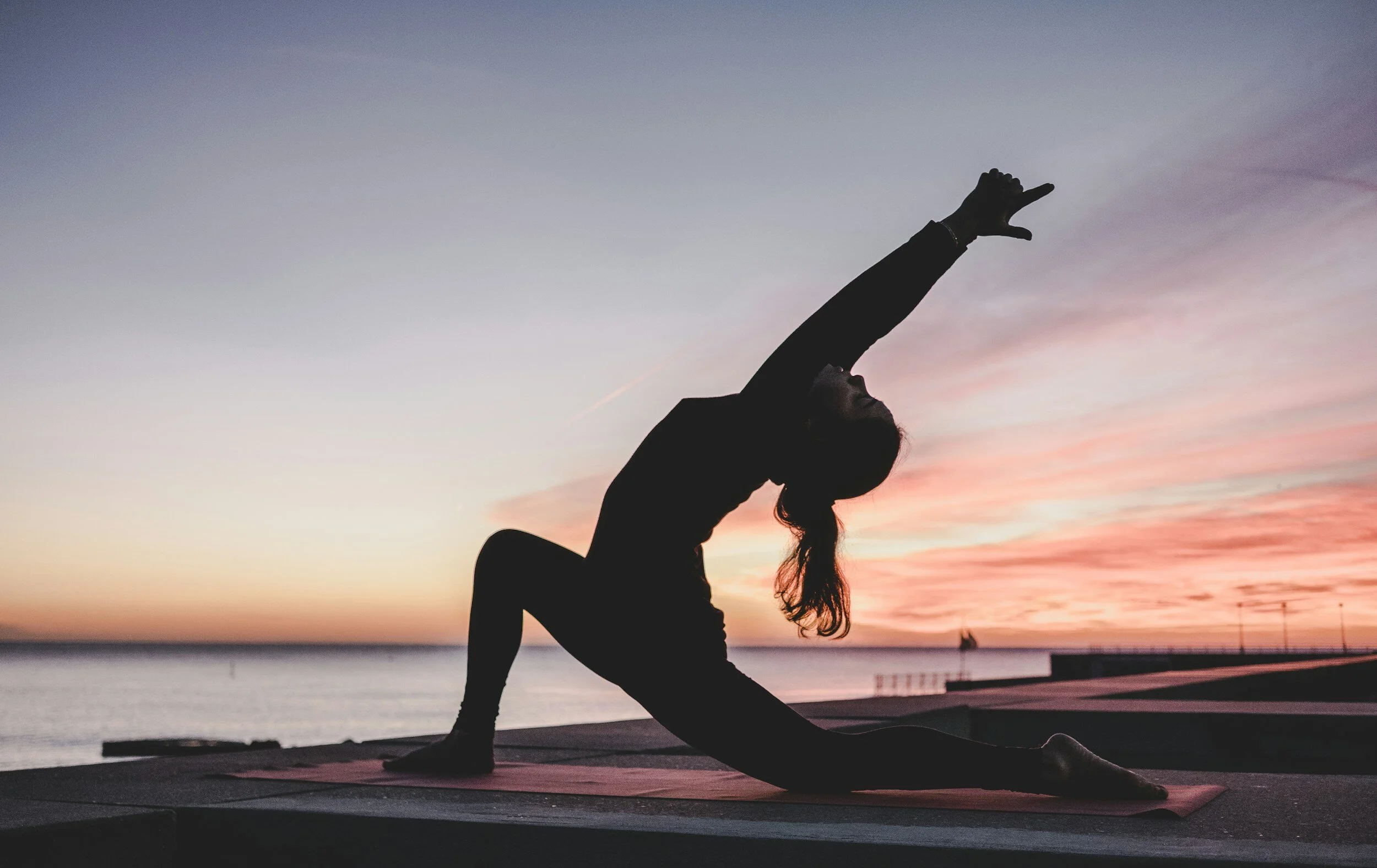
Why Does Yoga make me feel so good?
The Transformative Power of Yoga: Cultivating Well-Being on and off the Mat. Yoga has a profound effect on both the body and mind, offering a multitude of reasons why it makes you feel good. Here are some of the key factors contributing to the uplifting sensations experienced during and after a yoga practice.
In today's fast-paced world, finding moments of peace and tranquility can feel like a luxury. Amidst the hustle and bustle of daily life, it's easy to become overwhelmed by stress, anxiety, and the constant demands placed upon us. However, amidst the chaos, there exists a sanctuary of serenity—the practice of yoga.
Yoga, an ancient discipline originating in India, has transcended time and culture to become a global phenomenon celebrated for its transformative effects on the body, mind, and spirit. Beyond its physical postures, or asanas, yoga encompasses a holistic approach to well-being, integrating breathwork, mindfulness, and meditation into its practice.
At the heart of yoga lies the breath—a powerful tool for anchoring awareness in the present moment and calming the fluctuations of the mind. Through conscious breathing techniques, practitioners learn to synchronize breath with movement, creating a graceful flow that fosters a sense of harmony and balance within.
One of the most profound aspects of yoga is its ability to promote physical health and vitality. The practice of asanas not only increases flexibility, strength, and stamina but also improves posture, circulation, and overall body awareness. Whether holding a steady warrior pose or flowing through a dynamic sun salutation, each movement is an opportunity to cultivate strength, resilience, and grace.
Yet, the benefits of yoga extend far beyond the physical realm. Yoga is also a journey of self-discovery—a path towards greater self-awareness, self-acceptance, and self-love. Through mindful observation of thoughts, emotions, and sensations, practitioners learn to cultivate a deeper connection to themselves and the world around them.
In the midst of life's challenges and uncertainties, yoga offers a sanctuary—a safe space to explore, heal, and transform. It is a refuge where individuals can let go of the pressures of perfection and embrace the beauty of imperfection. Through the practice of yoga, we learn to meet ourselves with kindness, compassion, and unconditional love.
Furthermore, yoga is a practice of connection—a bridge that unites us with our innermost selves and with others. In a world that often emphasizes division and separation, yoga reminds us of our interconnectedness and interdependence. Through shared practice in a supportive community, practitioners experience a sense of belonging, acceptance, and unity.
As we continue to navigate the complexities of modern life, the wisdom of yoga offers a guiding light—a beacon of hope and inspiration. It teaches us to find peace amidst chaos, joy amidst sorrow, and love amidst fear. It empowers us to cultivate resilience, courage, and authenticity in the face of adversity.
In conclusion, the transformative power of yoga is undeniable. It is a practice that nourishes the body, calms the mind, and uplifts the spirit. It is a journey of self-discovery, healing, and growth—a path towards greater well-being and fulfillment. Whether on or off the mat, may we all embrace the wisdom of yoga and live with grace, compassion, and presence. Namaste

Top 5 Benefits of Mountain Pose
Benefits of Mountain Pose
Mountain Pose, or Tadasana in Sanskrit, is a foundational yoga pose that serves as the starting point for many other asanas. While it may seem simple at first glance, this pose offers a plethora of physical, mental, and emotional benefits. In this exploration, we will delve into the multifaceted advantages of incorporating Mountain Pose into your regular yoga practice.
Physically, Tadasana serves as a blueprint for proper alignment, posture, and balance. The pose involves standing tall with feet together, weight evenly distributed on both feet, and arms relaxed by the sides. Engaging the muscles in the legs, core, and back helps to improve overall body awareness and alignment. By regularly practicing Mountain Pose, individuals can correct postural imbalances and develop a strong foundation for other yoga postures, enhancing their overall physical well-being.
Furthermore, Tadasana is an excellent way to cultivate stability and balance. The pose encourages practitioners to ground themselves firmly through the feet while reaching upward through the crown of the head. This groundedness and lengthening of the spine contribute to improved balance and coordination, helping to prevent falls and injuries. As individuals become more attuned to their body's alignment in Mountain Pose, they can transfer this awareness to other standing and balancing poses, enhancing their overall stability.
Mountain Pose also plays a crucial role in building strength and flexibility. While it may not involve dynamic movements, holding the pose requires engagement of various muscle groups, including the thighs, abdomen, and glutes. The isometric contractions involved in Tadasana help to tone and strengthen these muscles over time. Additionally, the elongation of the spine and gentle stretch through the arms contribute to improved flexibility, promoting a more agile and resilient body.
On a mental and emotional level, Mountain Pose serves as a powerful tool for grounding and centering. The stillness and simplicity of the pose provide an opportunity for practitioners to connect with their breath and cultivate a sense of mindfulness. By focusing on the present moment and creating a steady foundation, individuals can experience a sense of calm and mental clarity. This meditative aspect of Tadasana makes it an invaluable practice for stress reduction and anxiety management.
Moreover, Mountain Pose can be a source of empowerment and confidence. As individuals stand tall and embody the strength and stability of a mountain, they may experience a boost in self-esteem and a sense of inner strength. This mental resilience cultivated on the mat can translate into everyday life, helping individuals face challenges with a more grounded and confident attitude.
In conclusion, the benefits of Mountain Pose extend far beyond its seemingly simple appearance. Through its impact on physical alignment, balance, strength, flexibility, and mental well-being, Tadasana becomes a cornerstone of a holistic yoga practice. Whether you are a seasoned yogi or a beginner, incorporating this foundational pose into your routine can contribute to a more balanced, centered, and resilient body and mind.