

I'm a Yoga Beginner: Where Do I Start?
Starting yoga can feel daunting, but it's simpler than you think. Here’s a quick guide to help you get started:
Choose the Right Style:
Hatha: Gentle and slow-paced.
Vinyasa: Dynamic and flowing.
Iyengar: Focuses on alignment with props.
Yin: Slow, deep stretching.
Find a Class:
Look for beginner classes at local studios or online. Instructors can guide you and ensure you practice safely.
Get Essential Gear:
Yoga Mat: For comfort and grip.
Comfortable Clothing: Flexible and breathable.
Props: Blocks and straps for support.
Learn Basic Poses:
Mountain Pose
Downward-Facing Dog
Child’s Pose
Warrior I and II
Tree Pose
Build a Routine:
Start with short, regular sessions and gradually extend your practice. Include breathing exercises and meditation.
Listen to Your Body:
Respect your limits and modify poses as needed. Patience and consistency are key.
Enjoy your yoga journey and the balance it brings to your life!
Embarking on a yoga journey as a beginner can be both exciting and overwhelming. With its origins in ancient India, yoga has evolved into a widely practiced discipline, offering physical, mental, and spiritual benefits. Here’s a comprehensive guide to help you get started on your yoga journey.
Understanding Yoga
Yoga is more than just physical exercise; it’s a holistic practice that integrates the mind, body, and spirit. The practice of yoga includes asanas (physical postures), pranayama (breathing techniques), meditation, and ethical principles. It’s essential to approach yoga with an open mind and patience, as the benefits unfold over time with consistent practice.
Choosing the Right Style
Yoga comes in various styles, each with its unique focus and intensity. As a beginner, it’s crucial to find a style that suits your needs and fitness level. Here are a few popular styles:
Hatha Yoga: A gentle introduction to the basic yoga postures. It’s ideal for beginners due to its slower pace.
Vinyasa Yoga: A dynamic and flowing style that synchronizes movement with breath. It’s a bit more intense and suitable if you prefer a more active practice.
Iyengar Yoga: Focuses on precise alignment and uses props like blocks and straps. It’s excellent for learning the correct form and building strength.
Yin Yoga: A slow-paced style where poses are held for longer periods, targeting deep connective tissues. It’s great for flexibility and relaxation.
Finding a Class
Joining a yoga class can provide structure and guidance as you begin. Look for beginner-friendly classes in your area or consider online classes if you prefer practicing at home. Many studios and online platforms offer free trials or beginner courses. A qualified instructor can help you understand the basics, ensure proper alignment, and prevent injury.
Essential Gear
You don’t need much to start practicing yoga, but a few essentials can enhance your experience:
Yoga Mat: A good quality mat provides cushioning and grip.
Comfortable Clothing: Wear breathable, flexible clothing that allows you to move freely.
Props: Blocks, straps, and bolsters can help you achieve and modify poses comfortably.
Basic Poses to Learn
Familiarizing yourself with some fundamental yoga poses can give you a solid foundation:
Mountain Pose (Tadasana): The starting point for many sequences, promoting balance and grounding.
Downward-Facing Dog (Adho Mukha Svanasana): A key pose in many styles, stretching and strengthening the entire body.
Child’s Pose (Balasana): A restorative pose for relaxation and gentle stretching.
Warrior I and II (Virabhadrasana I and II): Build strength and stability in the legs and core.
Tree Pose (Vrksasana): Enhances balance and focus.
Developing a Routine
Consistency is key in yoga. Start with short, manageable sessions, gradually increasing the duration as you become more comfortable. Aim to practice a few times a week to build a habit. Incorporate breathing exercises and meditation to experience the full benefits of yoga.
Listening to Your Body
Yoga is a personal journey, and it’s essential to honor your body’s limits. Avoid pushing yourself into poses that cause pain or discomfort. Use modifications and props to support your practice and remember that progress takes time.
Exploring Further
As you advance, explore different styles, workshops, and retreats to deepen your practice. Reading books on yoga philosophy and ethics can also enhance your understanding and appreciation of yoga beyond the physical postures.
Starting yoga is a beautiful step towards a healthier, more balanced life. By approaching your practice with curiosity, patience, and consistency, you’ll discover the transformative power of yoga. Enjoy your journey!
photo- @wesleyphotography

The Power of Meditation: Transforming Your Dental Experience
For many, the mere thought of sitting in a dentist’s chair can trigger anxiety. However, incorporating meditation into your dental visit can significantly reduce this stress. By focusing on your breath, listening to guided meditations, or visualizing a serene place, you can calm your mind and body, transforming your dental experience. Simple techniques like breath focus and mindfulness can keep you grounded and present, making your appointment more comfortable and manageable. Next time you visit the dentist, try meditating—it might just make all the difference.
For many, the mere thought of sitting in a dentist’s chair is enough to send their anxiety levels skyrocketing. The sound of the drill, the anticipation of discomfort, and the clinical setting can all contribute to a feeling of dread. However, what if there was a way to alleviate this anxiety and transform your dental experience? Enter meditation—a simple, yet profoundly effective practice that can make your next dental visit a much calmer affair.
The Prevalence of Dental Anxiety
Dental anxiety affects a significant portion of the population. Surveys suggest that up to 36% of people experience some form of dental anxiety, with around 12% suffering from extreme dental fear. This anxiety can lead to avoidance of necessary dental care, which can result in more severe oral health issues down the line. Fortunately, meditation offers a powerful tool to help manage and even overcome these fears.
Meditation: A Natural Anxiolytic
Meditation involves focusing the mind and calming the body through various techniques such as deep breathing, visualization, and mindfulness. Here’s how meditation can be particularly beneficial during a dental appointment:
Stress Reduction: Meditation helps lower cortisol levels, the hormone responsible for stress. By meditating, you can significantly reduce the physical symptoms of anxiety, such as increased heart rate and muscle tension, even while you are in the dental chair.
Pain Management: Regular meditation has been shown to increase pain tolerance. This can be incredibly useful during dental procedures, helping you manage any discomfort with greater ease.
Enhanced Concentration: Meditation improves your ability to focus and stay present. This can prevent your mind from spiraling into anxious thoughts while you’re in the dental chair.
Inducing Relaxation: Meditation activates the body’s relaxation response, leading to a decrease in blood pressure, a slower heart rate, and a general sense of calm. This state of relaxation can make your dental visit much more comfortable.
Practical Meditation Tips for Dental Visits
Create a Calm Environment: While in the dentist's office, ask if you can listen to calming music or a guided meditation through your headphones. This can help create a more serene environment.
Guided Meditation: Many meditation apps offer short, guided sessions specifically designed for dealing with anxiety. Consider using these during your appointment to help maintain focus and calm.
Breath Focus: Concentrate on your breathing. Inhale deeply through your nose, hold for a few seconds, and exhale slowly through your mouth. This simple technique can help ground you and reduce nervousness.
Visualization: Imagine yourself in a peaceful, serene place where you feel completely relaxed. Visualizing a calm environment can transport your mind away from the dental office and into a state of tranquility.
Mindfulness Techniques: Practice mindfulness by paying attention to the sensations in your body and observing them without judgment. This can help keep you grounded and present during the procedure.
Progressive Muscle Relaxation: Gradually tense and then relax each muscle group in your body, starting from your toes and working up to your head. This can help release physical tension and promote relaxation.
Meditation offers a transformative approach to handling dental anxiety, even while you're in the dentist’s chair. By incorporating meditation into your dental visit, you can approach your appointment with a sense of calm and confidence. This not only makes the experience more pleasant but also promotes better oral health by encouraging regular dental care. So next time you have a dentist appointment, give meditation a try—it just might make all the difference.
Photo- @maxvdo
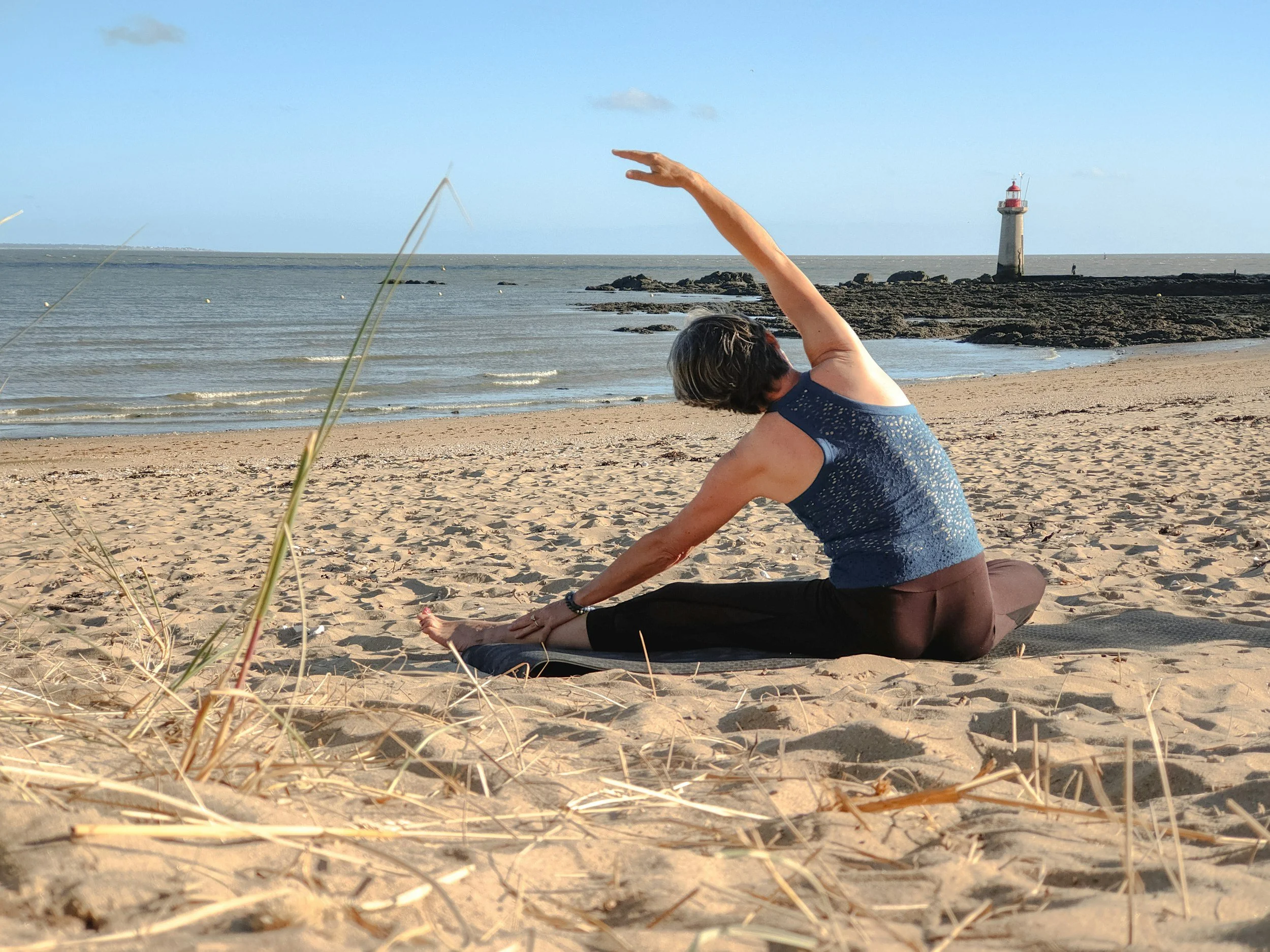
Yoga for Seniors: Enhancing Health and Well-being in Golden Years
Yoga is a gentle yet powerful practice for seniors, offering benefits such as improved flexibility, strength, and mental clarity. It helps manage pain, enhances balance, and fosters emotional resilience, promoting a healthier and more active lifestyle in later years. With a tailored approach, yoga supports physical health while providing opportunities for social connection and relaxation, making it an ideal fitness choice for older adults seeking holistic well-being.
Yoga is increasingly recognized as a beneficial practice for seniors aiming to maintain or improve their health and quality of life. Beyond its physical benefits, yoga offers a holistic approach that addresses mental clarity, emotional balance, and social connection, making it an ideal fitness option for older adults.
Physical Benefits of Yoga for Seniors
1. Improving Flexibility and Mobility
As we age, joints tend to stiffen and muscles lose elasticity. Yoga poses gently stretch and elongate muscles, improving flexibility and range of motion. Poses like Cat-Cow, Gentle Seated Twists, and Warrior variations help seniors maintain or regain mobility, making everyday activities easier and reducing the risk of injuries.
2. Strengthening Muscles and Bones
Yoga poses that involve weight-bearing and resistance, such as Chair Pose (Utkatasana) and Warrior poses, help strengthen muscles and bones. This is particularly important for seniors to maintain independence and reduce the risk of falls, which can lead to fractures and other serious injuries.
3. Enhancing Balance and Coordination
Balance tends to decline with age, increasing the risk of falls. Yoga poses that challenge balance, like Tree Pose (Vrksasana) or Standing Leg Lifts, help seniors improve stability and coordination. Improved balance not only enhances physical safety but also boosts confidence in daily activities.
4. Managing Pain and Chronic Conditions
Many seniors experience chronic pain conditions such as arthritis or lower back pain. Yoga's gentle movements and mindfulness practices can alleviate pain by promoting circulation, reducing inflammation, and enhancing body awareness. Practices like Yin Yoga, which focuses on deep stretching and relaxation, can be particularly effective for managing pain.
Mental and Emotional Benefits
1. Reducing Stress and Anxiety
Yoga emphasizes deep breathing techniques (pranayama) and mindfulness practices that promote relaxation and reduce stress levels. Seniors often find yoga classes to be calming and therapeutic, helping to alleviate anxiety and improve overall mood.
2. Improving Cognitive Function
Regular yoga practice has been shown to support cognitive function and memory retention in older adults. The combination of physical movement, breath awareness, and meditation stimulates brain activity and enhances mental clarity.
3. Fostering Emotional Resilience
Yoga encourages self-awareness and emotional resilience by fostering a positive mindset and helping seniors navigate life transitions with greater ease. The sense of accomplishment and well-being derived from yoga practice contributes to a more positive outlook on aging.
Social Benefits and Community Connection
1. Building Community and Support
Attending yoga classes provides seniors with opportunities to socialize and connect with others who share similar interests. This sense of community fosters friendships, reduces feelings of isolation, and promotes a sense of belonging.
2. Encouraging Lifelong Learning
Yoga encourages a mindset of continuous learning and growth. Seniors can explore different yoga styles, attend workshops, and deepen their practice over time, continually challenging themselves both physically and mentally.
Sample 10-Minute Yoga Sequence for Seniors
Seated Cat-Cow (2 minutes):
Sit comfortably on a chair or mat.
Inhale, arch your back, and lift your chest (Cow Pose).
Exhale, round your spine, and bring your chin to your chest (Cat Pose).
Repeat this gentle flow, coordinating movement with breath.
Chair Warrior I (2 minutes each side):
From a seated position, extend one leg forward and bend the opposite knee, placing the foot flat on the floor.
Inhale, raise your arms overhead.
Exhale, bend your front knee slightly, feeling a stretch in the hips and thighs.
Hold for several breaths, then switch sides.
Standing Tree Pose (2 minutes each side):
Stand near a sturdy chair or wall for support.
Shift your weight onto one leg, placing the sole of the other foot on the inner thigh or calf (avoid the knee).
Bring your hands to prayer position or extend them overhead.
Hold the pose, focusing on a steady breath and gaze.
Seated Spinal Twist (2 minutes each side):
Sit tall with legs extended or crossed comfortably.
Inhale to lengthen your spine.
Exhale, twist gently to one side, placing one hand behind you and the other on your knee or thigh.
Hold the twist, maintaining a gentle stretch in the spine.
Inhale back to center and repeat on the other side.
Final Relaxation (2 minutes):
Lie down comfortably on your back (use a blanket or pillow for support if needed).
Close your eyes, relax your body, and focus on your breath.
Allow any tension to release with each exhale.
Rest in this pose, enjoying a few moments of deep relaxation.
Conclusion
Yoga offers seniors a comprehensive approach to maintaining health and well-being, addressing physical fitness, mental clarity, emotional balance, and social connection. By integrating yoga into their lifestyle, seniors can experience improved flexibility, strength, and overall quality of life. Whether practicing in a group setting or at home, yoga provides a gentle and effective way for older adults to stay active, connected, and vibrant throughout their golden years.
photo- @oppofindx5pro
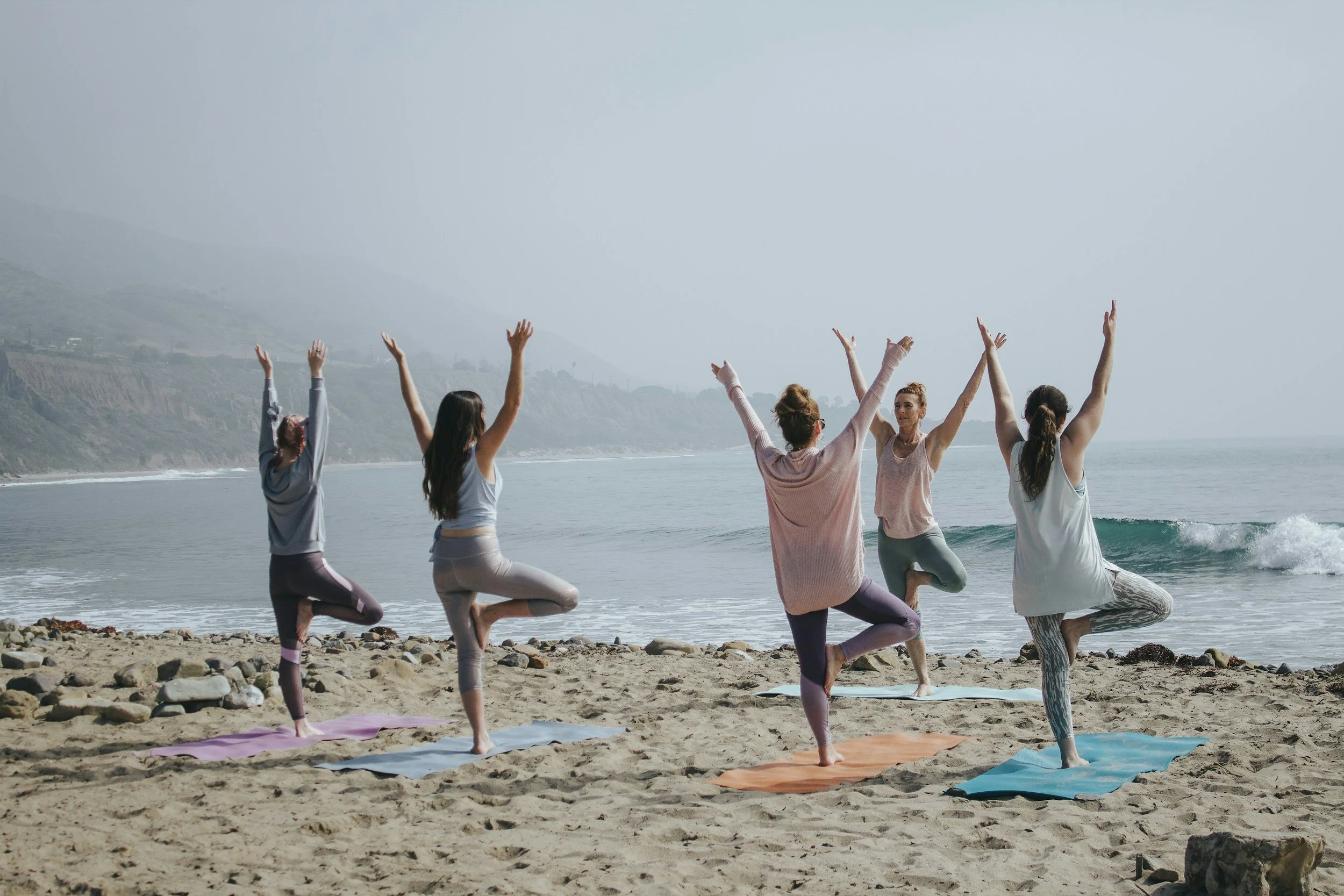
Yoga for Weight Loss: A Holistic Approach to Fitness
Yoga offers a holistic approach to weight loss by combining physical movement, mindfulness, and stress reduction techniques. While it may not burn calories as rapidly as high-intensity workouts, yoga improves flexibility, builds lean muscle mass, and enhances overall fitness. Its emphasis on mindfulness also promotes mindful eating habits and reduces stress-induced cravings, making it a valuable tool for sustainable weight management and overall well-being.
Also featured in OM Yoga Magazine - Click here
In the realm of fitness and weight loss, yoga often stands out as a gentle yet effective practice that goes beyond physical exercise. While it may not burn calories at the same rate as high-intensity workouts like running or weightlifting, yoga offers a unique approach to weight loss by integrating physical movement, mindfulness, and holistic health principles.
The Physical Benefits of Yoga
Yoga involves a series of poses (asanas) that are designed to stretch, strengthen, and balance the body. These poses, combined with controlled breathing techniques (pranayama), help increase flexibility, improve muscle tone, and enhance overall physical fitness. While individual calorie burn varies depending on factors like intensity and duration, certain yoga styles such as Vinyasa or Power Yoga can elevate heart rate and contribute to calorie expenditure.
Stress Reduction and Emotional Eating
One of the less obvious but crucial benefits of yoga for weight loss is its impact on stress reduction. Chronic stress can lead to emotional eating and weight gain, especially around the abdominal area. Yoga practices such as meditation and relaxation techniques can help lower cortisol levels (the stress hormone), thereby reducing stress-induced cravings and emotional eating tendencies.
Mindful Eating and Awareness
Yoga encourages mindfulness, which extends beyond the mat and into daily life. Practitioners often develop a heightened awareness of their body's signals, including hunger and fullness cues. This mindfulness can lead to more conscious eating habits, such as recognizing when you're truly hungry versus eating out of boredom or stress.
Building Lean Muscle Mass
Certain yoga poses, especially those that engage multiple muscle groups and require strength and balance, can help build lean muscle mass. Increased muscle mass boosts metabolism, as muscle tissue burns more calories than fat tissue even at rest. Poses like Warrior sequences, Plank variations, and balances such as Tree Pose stimulate muscle growth and contribute to a more toned physique over time.
Improving Digestion and Detoxification
Yoga practices often include poses that compress and massage internal organs, which can improve digestion and facilitate detoxification. Twisting poses like Twisting Chair Pose (Parivrtta Utkatasana) or Seated Spinal Twist (Ardha Matsyendrasana) help wring out toxins and promote better digestion, which can support weight loss efforts by enhancing nutrient absorption and waste elimination.
Consistency and Long-term Benefits
While yoga may not provide instant weight loss results compared to more vigorous workouts, its holistic approach offers long-term benefits that extend beyond physical fitness. Regular practice enhances overall well-being, reduces stress, improves sleep quality, and fosters a positive mindset—all of which contribute to sustainable weight management and a healthier lifestyle.
Conclusion
In conclusion, incorporating yoga into your weight loss journey offers more than just physical exercise; it provides a comprehensive approach to wellness that addresses both body and mind. By practicing yoga regularly, you can build strength, increase flexibility, reduce stress, and cultivate mindfulness—all of which support healthy weight loss and long-term weight management goals. Whether you're new to yoga or have been practicing for years, embracing its transformative power can lead to a more balanced, vibrant, and healthy life.
Remember, yoga is not just about achieving a certain body shape; it's about nurturing a positive relationship with yourself and your body, fostering self-awareness, and embracing a sustainable path to overall health and well-being.
Photo- @realkayls

Fueling Your Flow: Eating Right for Before and After Yoga?
Deciding when and what to eat around yoga sessions can profoundly influence your experience and overall well-being. Whether you're fueling up before a dynamic flow or replenishing post-practice, strategic nutrition plays a key role in optimizing your yoga journey. Discovering the right balance of timing and nourishment can enhance your energy levels, support muscle recovery, and deepen your connection to mind-body harmony.
Eating Before Yoga
Whether to eat before yoga depends on individual preferences and the nature of the practice. It's generally recommended to consume a light meal or snack about 1-2 hours before your session. This timing allows for proper digestion, ensuring you have adequate energy without feeling heavy or uncomfortable during your practice.
What to Eat Before Yoga:
Fruits: Opt for fresh fruits like bananas, apples, or berries. They provide easily digestible carbohydrates and hydration, essential for sustaining energy levels throughout your practice.
Yogurt: A small serving of yogurt, whether dairy or plant-based, offers protein and probiotics that support digestion and maintain gut health. Combine it with fruits or nuts for added nutrients and sustained energy.
Smoothies: Blend fruits, leafy greens, and a protein source such as yogurt or protein powder into a smoothie. This option is convenient, easy to digest, and provides a balanced mix of carbohydrates, protein, and vitamins.
Whole Grains: If you prefer something more substantial, choose whole grain toast or crackers with nut butter. Whole grains release energy steadily, which can benefit longer or more intense yoga sessions.
Eating After Yoga
Post-yoga nutrition is crucial for recovery, replenishing energy stores, and promoting muscle repair. Aim to consume a balanced meal or snack within 1-2 hours after your session to maximize these benefits.
What to Eat After Yoga:
Protein: Include a source of lean protein such as chicken, fish, tofu, or legumes in your post-yoga meal. Protein aids muscle recovery and tissue repair, supporting the body after physical exertion.
Vegetables: Load up on colorful vegetables to replenish vitamins, minerals, and antioxidants lost during exercise. Vegetables also provide fiber, aiding digestion and promoting satiety.
Healthy Fats: Incorporate sources of healthy fats like avocados, nuts, seeds, or olive oil into your meal. These fats support joint health, provide lasting satisfaction, and aid in the absorption of fat-soluble vitamins.
Complex Carbohydrates: Choose whole grains such as quinoa, brown rice, or sweet potatoes to restore glycogen levels and sustain energy post-yoga. These carbohydrates help stabilize blood sugar levels without causing spikes.
Timing Recommendations
Before Yoga: Consume a light snack or meal 1-2 hours before your session. This timeframe allows for digestion and ensures you have sufficient energy without discomfort.
After Yoga: Aim to eat within 1-2 hours after your practice to optimize recovery and replenishment. This window is ideal for absorbing nutrients and supporting muscle recovery.
Conclusion
The decision to eat before or after yoga depends on personal preferences, the intensity of your practice, and how your body responds to food intake. Eating a light snack before yoga can provide energy and prevent hunger during your session, while a balanced meal afterward supports recovery and nourishment.
By paying attention to your body's signals and choosing nutrient-dense foods, you can enhance your yoga experience and promote overall health and wellness. Yoga is not just about the physical postures but also about nurturing your body with mindful eating practices that complement your practice on the mat and support a healthy lifestyle.
Make informed choices about when and what to eat, and listen to your body's needs to optimize your yoga journey. Whether you're preparing for a dynamic flow or winding down from a restorative practice, fueling your body with the right foods at the right times will help you achieve balance and well-being both on and off the mat.

Yoga for Children: Cultivating Mindfulness and Health from a Young Age
Yoga, a practice with ancient roots, offers numerous benefits for children, enhancing their physical, mental, and emotional well-being. The gentle and inclusive nature of yoga makes it ideal for kids of all ages.
Physical Benefits
Yoga promotes flexibility, strength, and coordination in children. Poses like the Tree Pose improve balance, while the Downward Dog strengthens the body. Deep breathing exercises boost respiratory health, particularly benefiting children with conditions like asthma.
Mental and Emotional Benefits
Yoga helps children manage stress and anxiety, enhancing their mental and emotional well-being. Mindfulness practices improve concentration and attention, while mastering poses boosts self-esteem and confidence. The non-competitive nature of yoga fosters a positive self-image.
Social Benefits
Group yoga sessions encourage cooperation, teamwork, and empathy. The inclusive nature of yoga teaches children to appreciate diversity and practice acceptance.
Conclusion
By promoting physical fitness, mental clarity, and emotional resilience, yoga helps children navigate the challenges of growing up. Introducing yoga at a young age sets the foundation for a lifetime of mindfulness, health, and happiness.
Yoga, a practice that has been around for thousands of years, offers a myriad of benefits not only for adults but also for children. Integrating yoga into a child's routine can significantly enhance their physical, mental, and emotional well-being. The gentle and inclusive nature of yoga makes it an excellent practice for children of all ages and abilities.
Physical Benefits
One of the most apparent advantages of yoga for children is its positive impact on physical health. Yoga promotes flexibility, strength, and coordination. Through various poses, children can develop better body awareness and balance. For instance, poses like the Tree Pose help improve balance, while the Downward Dog strengthens the arms, legs, and core. Regular practice can lead to improved posture and reduced risk of injury, which is especially beneficial as children grow and participate in other physical activities.
Yoga also enhances respiratory health. Deep breathing exercises, often incorporated into yoga sessions, teach children to control their breath, which can increase lung capacity and overall respiratory efficiency. This can be particularly beneficial for children with asthma or other respiratory conditions.
Mental and Emotional Benefits
Beyond physical health, yoga profoundly impacts a child's mental and emotional well-being. In today’s fast-paced world, children are often exposed to stress and anxiety from school pressures, social dynamics, and extracurricular activities. Yoga provides a safe space for children to relax and unwind.
Mindfulness, a core component of yoga, teaches children to focus on the present moment. This practice can improve concentration and attention span, leading to better performance in academic and social settings. Techniques such as deep breathing and visualization can help children manage stress and anxiety, promoting a sense of calm and emotional stability.
Furthermore, yoga encourages self-expression and confidence. As children master new poses and techniques, they gain a sense of achievement and boost their self-esteem. The non-competitive nature of yoga fosters a positive self-image and encourages children to appreciate their unique abilities.
Social Benefits
Yoga can also enhance social skills and foster a sense of community. Group yoga sessions encourage cooperation and teamwork. Partner poses and group activities require children to communicate and work together, promoting social interaction and empathy. These experiences can help children build strong, supportive relationships with their peers.
Additionally, the inclusive nature of yoga ensures that children of all abilities can participate and benefit. This inclusivity can teach children to appreciate diversity and practice acceptance, both of themselves and others.
Implementing Yoga for Children
Introducing yoga to children can be simple and fun. Classes designed specifically for children often incorporate games, storytelling, and music to make the practice engaging. Parents and educators can also integrate short yoga sessions into daily routines at home or school. Even a few minutes of yoga each day can make a significant difference.
It's important to create a supportive and positive environment for children to practice yoga. Encouraging them to listen to their bodies and practice at their own pace can help them enjoy the experience and reap the benefits.
Conclusion
Yoga offers a holistic approach to health and well-being for children. By promoting physical fitness, mental clarity, and emotional resilience, yoga can help children navigate the challenges of growing up. As more parents and educators recognize the benefits, yoga is becoming an increasingly popular and valuable practice for children. Introducing yoga to children at a young age can set the foundation for a lifetime of mindfulness, health, and happiness.
Photo- @robbie36