Online Yoga Classes for Beginners: Everything You Need to Know Before You Start
Discover how to start online yoga as a beginner. Learn the benefits, what you'll need, how often to practice, and answers to the most common questions about online yoga classes.
Starting something new can feel a little intimidating, and yoga is no exception. If you've ever thought, "I'm not flexible enough," or "I have no idea where to begin," you're not alone. These are some of the most common concerns I hear from people who are interested in trying yoga for the first time. One thing I've noticed after teaching beginners is that almost everyone arrives thinking they're 'not flexible enough.' Within a few weeks, that concern usually disappears. They begin moving more comfortably and, more importantly, they start enjoying the practice.
The good news is that you don't need to be flexible, athletic, or experienced to enjoy the benefits of yoga. You simply need a willingness to start.
At Zenmatyoga Studio, we've welcomed people of all ages and abilities into our online yoga classes. Some are looking to ease back pain from sitting at a desk all day, others want to reduce stress, and many simply want to move their bodies in a way that feels good. Whatever your reason, yoga can meet you exactly where you are.
Why Choose Online Yoga?
One of the best things about online yoga classes is the freedom they offer. There's no rushing through traffic to make it to a studio or worrying about being late. You can roll out your mat in your living room, bedroom, or even your backyard and begin.
Many beginners actually prefer learning at home because it feels more relaxed. There's no pressure to keep up with anyone else, and you can focus on your own practice without comparing yourself to others.
You'll also find it easier to fit yoga into your schedule, whether you have twenty minutes before work or an hour to unwind in the evening.
Do Online Yoga Classes Really Work?
Yes, they do.
Over the years, I've seen students build strength, improve flexibility, and feel more confident practicing from home. The biggest factor isn't whether you're online or in a studio—it's showing up regularly.
Even practicing two or three times a week can make a noticeable difference. Many people begin to feel less stiff, sleep better, and enjoy a greater sense of calm after just a few weeks of consistent practice.
"I'm Not Flexible Enough."
If that's what you're thinking, you're exactly the kind of person yoga is for.
Being flexible isn't a requirement—it's something that develops over time. Most people don't walk into their first class able to touch their toes or hold difficult poses.
Yoga is about working with your body, not against it. Every pose can be adjusted to suit your comfort level, and every small improvement is worth celebrating.
What Do I Need to Get Started?
The great thing about yoga is that you don't need much.
A comfortable space, a yoga mat, and clothing that lets you move freely are enough for most classes. If you don't own yoga blocks or straps, don't worry. Pillows, books, or folded blankets can often work just as well when you're starting out.
The most important thing you can bring is an open mind.
How Often Should Beginners Practice Yoga?
You don't have to practice every day to enjoy the benefits.
If you're just getting started, aim for two or three sessions each week. Even a twenty-minute class can leave you feeling refreshed and more connected to your body.
As yoga becomes part of your routine, you'll naturally discover what works best for your lifestyle.
Remember, consistency is far more important than perfection.
What Are the Benefits of Yoga?
People begin yoga for different reasons, but many are surprised by how many areas of their lives it positively affects.
With regular practice, you may notice:
Improved flexibility and mobility
Better posture
Increased strength and balance
Less muscle tension
More energy throughout the day
A calmer mind during stressful times
Better body awareness
While everyone's experience is different, many students tell us that yoga becomes something they genuinely look forward to rather than another item on their to-do list.
Frequently Asked Questions
Can anyone do yoga?
In most cases, yes. Yoga can be adapted for many different ages, fitness levels, and abilities. If you have an injury or medical condition, it's a good idea to speak with your healthcare provider before starting and let your instructor know so they can suggest appropriate modifications.
How long should my first class be?
Around 20 to 30 minutes is a great place to begin. Shorter classes help you build confidence without feeling overwhelmed.
Do I have to be fit before starting yoga?
Not at all. Yoga helps you build strength, flexibility, and balance over time. You don't need to "get in shape" before you begin.
Can yoga help with stress?
Many people find that yoga helps them slow down and feel more relaxed. Gentle movement combined with mindful breathing can be a helpful way to unwind after a busy day.
Is online yoga as good as going to a studio?
For many people, yes. Online yoga offers flexibility, convenience, and the ability to practice in a familiar environment. With a qualified instructor and regular practice, it can be an effective way to build a healthy routine.
What if I can't do every pose?
That's completely normal. Yoga isn't about performing every pose perfectly. Listen to your body, take breaks when you need them, and remember that progress happens one class at a time.
A Few Final Thoughts
Yoga isn't about being the strongest, the most flexible, or the most experienced person in the room. It's about taking time to care for yourself, one breath and one movement at a time.
Whether your goal is to feel less stressed, improve your flexibility, build strength, or simply enjoy moving your body again, online yoga classes are a wonderful place to start.
At Zenmatyoga Studio, we're here to support you every step of the way. No matter where you're starting from, you're welcome here.
Roll out your mat, take a deep breath, and begin your journey. You might be surprised by how much can change with just a little time and consistent practice!
This article was written by the team at Zenmatyoga Studio, where we help beginners build confidence through welcoming online yoga classes, private sessions, meditation, and wellness programs. Our goal is to make yoga accessible to people of all ages and experience levels!
Silence Speaks: Why Yoga Doesn’t Need Music
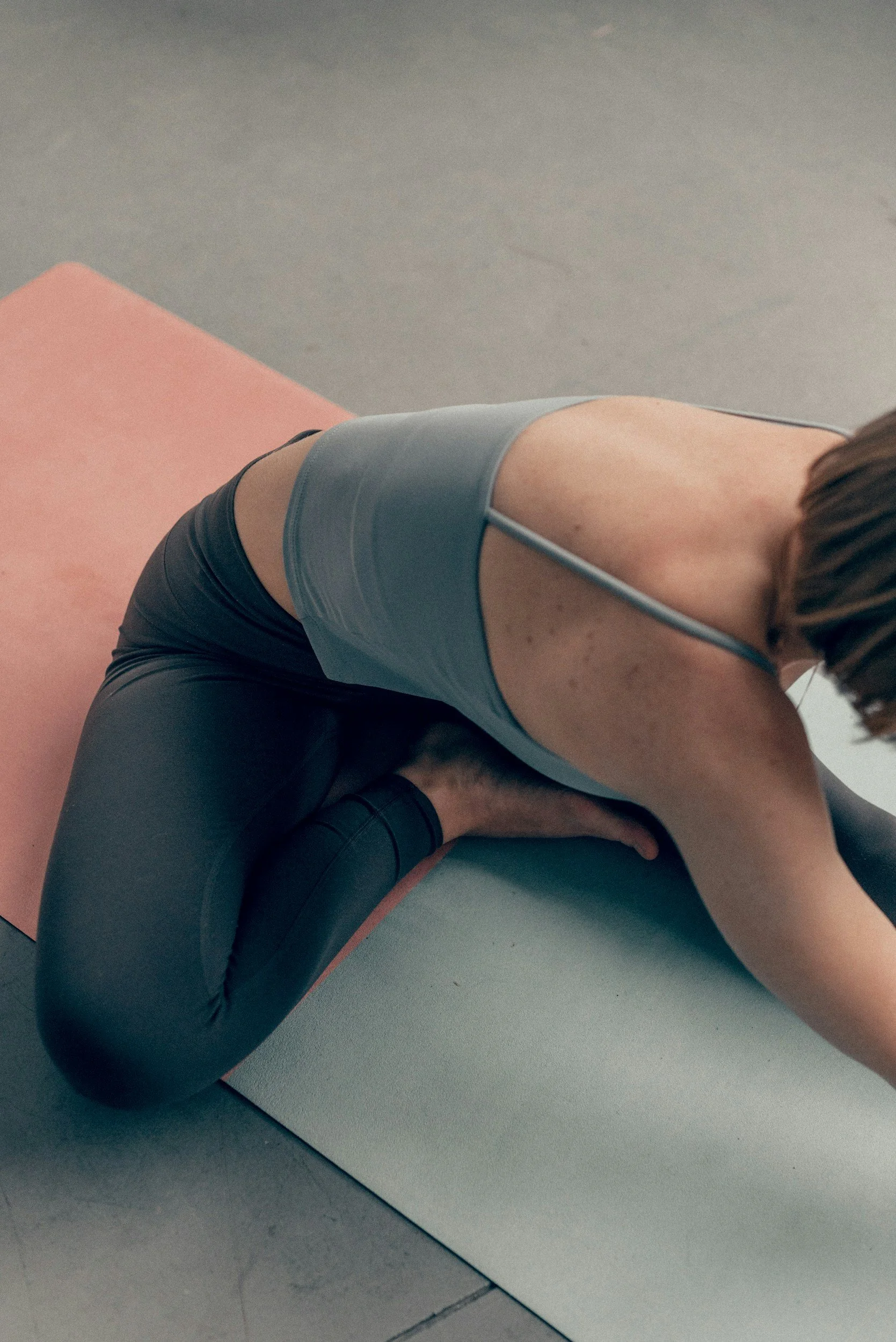
In today’s world, yoga is often paired with calming music and relaxing sounds, but music is not essential to the practice itself. True yoga focuses on mindfulness, breathing, and the connection between the mind and body. Practicing in silence can improve concentration, encourage inner peace, and create a deeper, more authentic yoga experience.
Yoga is often linked with peaceful music, soft melodies, and calming background sounds. In many yoga studios today, music has become part of the overall experience. Some instructors use slow instrumental tracks, nature sounds, or relaxing playlists to help students feel comfortable and calm. While music can create a soothing atmosphere, it is not actually necessary for yoga. In fact, practicing yoga without music can help people focus more deeply, connect with themselves, and experience the true purpose of yoga in a more natural way.
The main goal of yoga is to create a connection between the mind and body. Yoga is not only about physical exercise; it is also about awareness, breathing, balance, and mindfulness. When music is playing, people may pay attention to the rhythm or lyrics instead of fully focusing on their breathing and movements. In silence, however, it becomes easier to notice every breath, every stretch, and every sensation in the body. This deeper focus helps people stay present in the moment, which is one of the most important parts of yoga.
Traditionally, yoga was practiced in silence. Ancient yogis did not rely on music to help them relax or meditate. Instead, they believed that true peace comes from within. Silence allowed them to listen to their breathing and calm their thoughts naturally. The quiet environment encouraged self-reflection and meditation, both of which are important elements of yoga. Even today, many people who practice traditional yoga believe that silence creates a stronger and more meaningful experience than music does.
Another reason music is not needed for yoga is that silence itself can be calming. Modern life is filled with constant noise and distractions. People spend much of their day surrounded by phones, social media, traffic, television, and endless notifications. Because of this, many people rarely experience true quietness. Yoga can provide an opportunity to step away from all of that noise and simply focus on the present moment. Practicing in silence allows the mind to slow down and rest. It creates a peaceful space where people can clear their thoughts and feel more balanced emotionally and mentally.
Silence can also help improve concentration. During yoga, balance and proper breathing are very important. Without music, people are more likely to notice how their body moves and reacts during each pose. They can focus on maintaining balance, improving posture, and controlling their breathing patterns. This level of awareness can make the practice more effective and rewarding. Instead of depending on outside sounds for relaxation, practitioners learn how to create calmness from within themselves.
In addition, yoga without music can feel more authentic and personal. Music often influences emotions and mood. A slow song may make someone feel relaxed, while a faster rhythm may create energy. However, yoga teaches people to observe their emotions naturally without depending on outside influences. In silence, practitioners are able to experience their thoughts and feelings honestly. This can sometimes be challenging, but it can also lead to personal growth and self-understanding. People learn to become comfortable with stillness and quietness, which is a valuable skill in everyday life.
Of course, this does not mean music is always bad for yoga. Some people enjoy music because it helps them feel less nervous or more motivated, especially beginners who may find silence uncomfortable at first. Music can create a welcoming atmosphere in group classes and make the environment feel relaxing. In some cases, soft background music may even help people disconnect from stress outside the studio. However, music should be seen as an optional addition rather than something essential to yoga itself.
Different people practice yoga for different reasons. Some do it for physical fitness, while others practice for mental health, relaxation, or spiritual growth. Because yoga is such a personal journey, there is no single “correct” way to practice it. Some people may prefer music, while others may prefer silence. Still, it is important to remember that the true benefits of yoga come from mindful breathing, concentration, and self-awareness—not from a playlist.
Many experienced yoga practitioners eventually discover that silence allows them to connect more deeply with the practice. Without music, they can hear the sound of their breathing, feel the movement of their body, and notice the quietness of their thoughts. This creates a sense of peace that comes naturally rather than being created by external sounds. Silence can make yoga feel more meditative and meaningful, helping people develop patience, focus, and inner calm.
In conclusion, music is not needed for yoga because the true essence of yoga comes from within the individual. While music can create a relaxing environment, it is not what makes yoga effective. Silence encourages mindfulness, concentration, and a deeper connection between the mind and body. It allows people to slow down, focus on their breathing, and experience yoga in a more authentic way. Although some people may enjoy practicing with music, yoga remains complete and powerful even in total silence. The heart of yoga is not found in background sounds, but in awareness, stillness, and inner peace.
Yoga Therapy: The Gentle Reset Your Body and Mind Deserve!
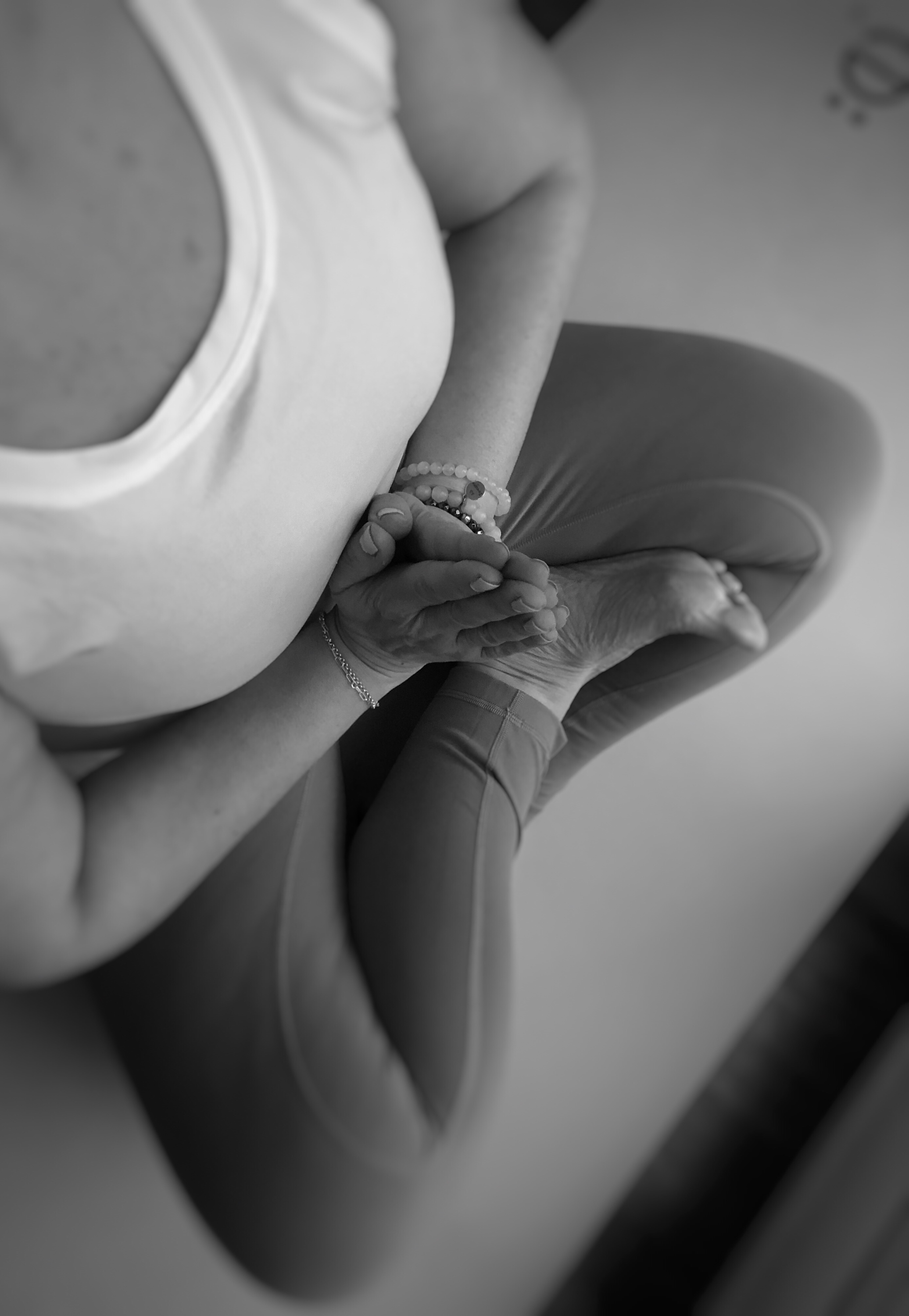
As we move through our 40s and beyond, our bodies and minds begin to speak a little louder. Stiffness, stress, and sleepless nights can creep in—but yoga offers a gentle way to restore balance. At Zen Mat Yoga Studio, we explore mindful practices inspired by yoga therapy that help you move with ease, breathe deeply, and reconnect with calm. It’s not about perfection—it’s about finding your rhythm, one breath at a time.
As we move through our 40s and beyond, our bodies and minds start to tell a different story. We may feel a little tighter in the hips, notice stress lingering longer, or crave a deeper sense of calm. At Zen Mat Yoga Studio, we love exploring practices like yoga therapy—approaches that inspire mindful movement, balance, and self-care for every stage of life.
What Is Yoga Therapy?
Yoga therapy blends movement, breathwork, mindfulness, and relaxation to support individual health needs. Unlike a group yoga class, yoga therapy is personalized. Each session is tailored to you—your body, your goals, and your lifestyle. Whether you’re managing back pain, stress, anxiety, or simply want to move with more ease, yoga therapy meets you where you are.
A certified yoga therapist works with individuals to create customized plans that may include gentle stretches, breathing techniques, guided meditation, and simple daily practices. These tools calm the nervous system, improve mobility, and build awareness—helping people feel grounded both on and off the mat.
Why Yoga Therapy After 40?
Our 40s and 50s are often filled with change. Hormones shift, priorities evolve, and our bodies start asking for more mindful care. Yoga therapy honors these changes, offering safe, adaptable practices that strengthen without strain. It’s especially supportive for those managing chronic conditions, fatigue, anxiety, or mobility issues. You don’t need to be flexible or experienced; you just need curiosity and a willingness to start.
At Zen Mat Yoga Studio, we believe in progress over perfection. Learning about yoga therapy reminds us that healing can be simple—rooted in breath, movement, and self-compassion. It’s a gentle invitation to slow down, listen to your body, and restore balance at your own pace.
Healing That Goes Beyond the Physical
The power of yoga therapy extends far beyond movement. By uniting breath and awareness, it helps us navigate life’s transitions with more grace and clarity. Each mindful breath becomes a reminder that healing doesn’t always mean doing more—it often means tuning in and doing less.
Whether you’re new to yoga or returning after years away, exploring the principles of yoga therapy can inspire you to move mindfully, breathe deeply, and reconnect with your inner calm.
At Zen Mat Yoga Studio, we celebrate that journey—one breath, one pose, one moment at a time.
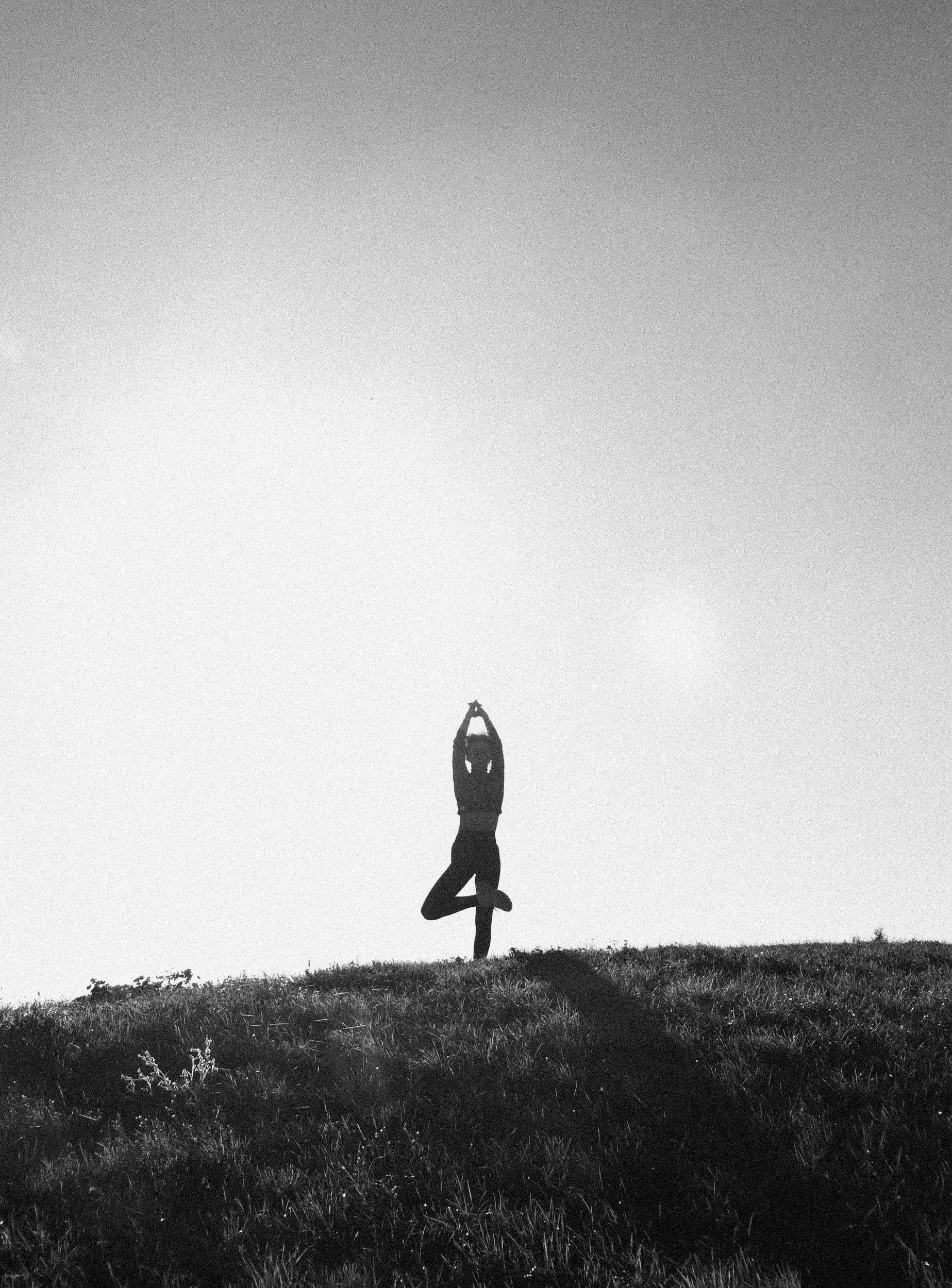
Step Into Stillness: The Rise of Walking Yoga and Why Everyone’s Talking About It
What if your path to mindfulness, balance, and inner calm was as simple as taking a walk? Walking yoga is a gentle yet powerful practice that blends movement with meditation, turning every step into a chance to reconnect—with your body, your breath, and the present moment. Whether you’re seeking stress relief or just a mindful pause in your day, walking yoga invites you to slow down, breathe deeply, and find stillness in motion.
In today’s fast-paced, screen-filled world, finding stillness can feel like a luxury. But what if peace of mind was just a few steps away—literally? Enter walking yoga, a calming yet energizing practice that’s quietly making waves in wellness communities across the globe. It’s simple, accessible, and surprisingly transformative. Whether you're a long-time yogi or someone just trying to find a moment of quiet in a hectic day, walking yoga might be exactly what you need.
What Exactly Is Walking Yoga?
At its core, walking yoga is the marriage of two familiar activities: walking and mindfulness. Also known as mindful walking or yogic walking, it takes the foundational principles of yoga—breath awareness, presence, and intentional movement—and applies them to walking. Unlike traditional yoga, which typically involves flowing sequences or static poses on a mat, walking yoga is dynamic and mobile. You don’t need a studio, mat, or even special clothes. Just your body, your breath, and a space to walk.
The practice draws inspiration from ancient yogic traditions and Buddhist walking meditation. It's designed to be grounding, meditative, and physically gentle—perfect for all ages and fitness levels.
How Do You Practice Walking Yoga?
Getting started with walking yoga is incredibly easy. Here's a step-by-step guide to begin your practice:
Choose Your Space: Look for a quiet, distraction-free area where you feel safe and comfortable. It could be a park trail, a quiet sidewalk, a garden, or even your hallway at home.
Stand and Center Yourself: Before you begin walking, take a moment to stand still. Close your eyes if you’re comfortable, and take 3–5 deep breaths. Feel your feet rooted to the earth and gently release any tension.
Set an Intention: Your intention can be as simple as "I want to be present" or "I walk in peace." Setting an intention helps guide your awareness throughout the practice.
Begin Walking Slowly: Start walking at a slow, deliberate pace. Pay close attention to the movement of your legs and feet—notice the lift, swing, and placement of each step.
Sync Breath with Steps: Coordinate your steps with your breath. For example, inhale for three steps, exhale for three steps. You can adjust this pattern to what feels natural for your body.
Focus on Sensations: Bring your attention to the feeling of the ground beneath your feet, the rhythm of your breath, the movement in your muscles. If your mind wanders (which it will!), gently bring your focus back.
Close with Stillness: After 10–20 minutes of walking, pause and stand still. Take a few moments to notice how your body feels. Reflect on your experience without judgment.
Is Walking Yoga Really Effective?
Short answer: Yes, absolutely.
Walking yoga offers a wide range of physical and mental health benefits. On the physical side, it encourages gentle movement, improves circulation, promotes joint flexibility, and can support balance and coordination. For people recovering from injury or those with mobility limitations, it offers a low-impact alternative to more intense workouts or floor-based yoga practices.
But the real magic of walking yoga lies in its mental and emotional effects. Studies and anecdotal evidence suggest that mindful walking can:
Reduce stress and anxiety
Lower blood pressure
Enhance mood and emotional resilience
Improve focus and cognitive clarity
Boost feelings of connection—with nature, yourself, and the present moment
Many practitioners say it helps them feel grounded, centered, and recharged—especially during busy or emotionally overwhelming periods.
Who Is It For?
One of the best things about walking yoga is how inclusive it is. It’s ideal for:
Beginners who may feel intimidated by a traditional yoga class
Seniors or those with limited mobility
Busy professionals who want to integrate mindfulness into their routine
Anyone seeking stress relief without needing a gym or studio
You can do it on your lunch break, after a long meeting, during a nature walk, or even while pacing in your living room. No fancy poses, no pressure—just you and your breath, walking with intention.
Final Thoughts: Take the First Step
Walking yoga invites us to slow down and be in our bodies—to feel each step, each breath, each moment. In a culture that often glorifies hustle, this practice whispers a different message: peace is already here, if we just pause and listen.
So next time you feel overwhelmed, scattered, or disconnected, consider stepping outside for a mindful stroll. You might be surprised at how much clarity, calm, and energy you find—just by putting one foot in front of the other.
Photo- @suleymanovae

The Breath Connection: Elevate Your Yoga Practice with Every Inhale
Breath is the bridge between body and mind in yoga. By consciously connecting with your breath, you can deepen your practice, enhance mindfulness, and unlock a sense of calm and focus. Whether you're flowing through poses or finding stillness, the breath serves as your anchor, guiding you to a more balanced, present, and empowered version of yourself.
Yoga is a journey—one that connects the body, mind, and spirit in harmonious balance. While physical postures (asanas) are a key component of yoga, one of the most powerful tools that often goes underappreciated is the breath. The breath is more than just the air we inhale and exhale; it is a direct connection to our energy, emotions, and mental clarity. In yoga, we use breath consciously to deepen our practice and cultivate a greater sense of peace and presence.
Why Breath Matters in Yoga
In many yoga traditions, particularly in styles like Hatha and Vinyasa, breathwork (or pranayama) is seen as a vital part of the practice. It serves not only to guide movement but also to calm the mind and invigorate the body. By focusing on the breath, we can cultivate mindfulness, bringing us into the present moment and helping to reduce the distractions of the outside world.
Breathing consciously during yoga poses creates a flow of energy, ensuring that we are not just mechanically moving through the postures but are also engaging in a meditative and purposeful practice. This presence of mind can be especially helpful when life feels chaotic, as it gives us an anchor to return to whenever we need to find balance.
The Role of Pranayama in Your Practice
Pranayama, which translates to "extension of the breath" or "control of life force," is a powerful aspect of yoga that can transform your experience on and off the mat. The practice of pranayama involves specific breathing techniques designed to regulate the breath, balance energy, and create a deep sense of calm.
Some common pranayama techniques include:
Ujjayi Pranayama (Victorious Breath): Often referred to as the "ocean breath," this technique involves gently constricting the back of the throat to create a soft, audible sound. It helps to warm the body and enhance concentration.
Nadi Shodhana (Alternate Nostril Breathing): This practice involves alternating breathing through the left and right nostrils to balance the body's energy and calm the mind.
Kapalabhati (Skull Shining Breath): A more energizing technique, kapalabhati involves rapid, forceful exhales followed by passive inhales, helping to clear the mind and boost energy.
Incorporating pranayama into your yoga routine can help you deepen your focus and cultivate a sense of vitality and well-being that extends far beyond the mat.
Breathing Through Movement
In many yoga practices, particularly in Vinyasa, each movement is synchronized with an inhale or exhale. This union of breath and movement creates a flowing sequence that feels almost like a dance. By consciously linking breath with movement, you can enhance your awareness of your body's sensations and connect more deeply with the present moment.
For example:
Inhaling as you reach your arms up in Mountain Pose (Tadasana) can help you feel a sense of expansion and openness.
Exhaling as you fold forward in Forward Fold (Uttanasana) allows you to release tension and feel grounded.
Inhaling as you move into upward-facing dog (Urdhva Mukha Svanasana) helps lift your chest and create space through the spine.
When you pay attention to your breath, it becomes a guide, helping you to move with intention and mindfulness. The rhythm of the breath creates fluidity and ease in the practice, allowing you to feel more connected to your body and the present moment.
Benefits of Conscious Breathing in Yoga
Increased Mindfulness: Focusing on the breath naturally leads you to a state of mindfulness. By paying attention to each inhale and exhale, you become more aware of your body and mind, which can reduce stress and anxiety.
Improved Concentration: When you focus on your breath, you quiet the mental chatter that often distracts you. This heightened concentration can carry over into other areas of life, helping you stay more present and focused.
Enhanced Flexibility and Strength: Conscious breathing can help release tension in the body, making it easier to move deeper into poses. It also supports the flow of oxygen to the muscles, promoting better endurance and strength.
Reduced Stress and Anxiety: Slow, deep breathing activates the parasympathetic nervous system, helping to calm the body and reduce stress levels. This is why pranayama is often practiced in restorative and gentle yoga classes.
Balanced Energy: The breath is the bridge between the physical and energetic aspects of yoga. By regulating your breath, you can influence your energy levels, whether you need to feel energized or deeply relaxed.
Take a Moment to Breathe
As you move through your yoga practice, remember that the breath is your anchor. Whether you are in a challenging pose or a moment of stillness, the breath can guide you toward greater awareness and a deeper connection to yourself. Next time you step onto the mat, focus on the simple yet powerful act of breathing, and notice how it transforms your practice.
Start small: spend a few minutes before your practice to sit in a comfortable position, close your eyes, and bring your attention to your breath. Inhale slowly through your nose, feel your lungs expand, and then exhale fully, releasing any tension. See how this simple practice can make your yoga experience feel more grounded and present.
Remember, yoga is not just about physical postures—it’s about connecting with yourself. And the breath is always there to guide you along the way.
photo- @jareddrice

Wrist Relief Through Yoga: Alleviating Carpal Tunnel Syndrome Naturally
Carpal Tunnel Syndrome (CTS) is a common condition that causes pain, numbness, and tingling in the wrists and hands, often due to repetitive movements. Yoga offers a holistic approach to alleviate these symptoms by improving wrist flexibility, strengthening the forearms, and releasing tension in the muscles around the carpal tunnel. Poses like Eagle Arms and wrist stretches can help reduce inflammation, enhance circulation, and promote better posture, offering relief from the discomfort associated with CTS
Carpal Tunnel Syndrome (CTS) is a common condition that affects millions of people, causing discomfort and sometimes significant pain in the hands and wrists. It occurs when the median nerve, which runs from the forearm into the palm of the hand, becomes compressed at the wrist, resulting in numbness, tingling, weakness, and pain. While CTS is often associated with repetitive activities such as typing, assembly work, and prolonged computer use, it can also affect individuals without these specific risk factors. Fortunately, one holistic approach that may help alleviate symptoms and promote recovery is yoga.
Yoga, an ancient practice that combines physical postures, breathing exercises, and meditation, has been shown to provide numerous health benefits, including improving flexibility, strength, and circulation. For individuals with carpal tunnel syndrome, yoga can be a natural way to release tension, increase wrist mobility, and reduce inflammation in the affected area.
Understanding Carpal Tunnel Syndrome
Carpal Tunnel Syndrome occurs when the median nerve, which controls sensations in the thumb, index, middle, and part of the ring finger, becomes compressed as it travels through the narrow carpal tunnel in the wrist. The carpal tunnel is a rigid passageway made up of bones and ligaments. Repetitive hand movements, such as typing, excessive smartphone use, or certain activities that require gripping or flexing the wrist, can irritate the median nerve. This leads to pain, numbness, tingling, and sometimes even a loss of hand strength. In some cases, CTS can progress, leading to more severe symptoms and requiring medical intervention.
How Yoga Can Help Relieve Carpal Tunnel Syndrome
Stretching and Strengthening the Wrist
Yoga offers specific postures and stretches that can target the wrists and hands. By regularly practicing wrist stretches, individuals can improve flexibility and increase the range of motion in the wrist joint, potentially reducing the pressure on the median nerve. Poses like Anahatasana (Heart Melting Pose) and Gomukhasana (Cow Face Pose) can stretch the forearms and wrists, promoting circulation and easing tension.
Additionally, strengthening exercises for the forearms and hands can prevent further strain. By building muscle strength, the wrists can better support daily activities, reducing the likelihood of aggravating symptoms.
Releasing Tension in the Forearms
In many people with CTS, tightness in the forearm muscles can contribute to nerve compression in the wrist. Yoga poses that focus on the forearms, such as Phalakasana (Plank Pose) and Dolphin Pose, help release built-up tension in the muscles surrounding the carpal tunnel. Through gentle stretches and muscle engagement, these poses can help alleviate the pressure on the median nerve and reduce discomfort.
Promoting Proper Posture and Alignment
Poor posture is a common contributor to CTS, especially in individuals who spend long hours at desks or on computers. Yoga encourages mindfulness of body alignment, teaching individuals to sit and stand with proper posture. Practices such as Tadasana (Mountain Pose) and Sukhasana (Easy Pose) focus on creating a balanced alignment that can reduce strain on the wrists and hands. By cultivating awareness of body mechanics, yoga practitioners can prevent the habits that lead to carpal tunnel syndrome.
Breathing Techniques for Relaxation
Yoga incorporates deep breathing techniques that help activate the body’s parasympathetic nervous system, promoting relaxation and reducing stress. For individuals with CTS, stress can exacerbate muscle tension and inflammation. By practicing mindful breathing techniques such as Ujjayi Pranayama (victorious breath), individuals can manage stress and help their body relax, which may lead to a reduction in pain and discomfort.
Yoga provides a natural, holistic approach to alleviating the symptoms of Carpal Tunnel Syndrome. Through stretching, strengthening, tension release, and improved posture, yoga can help individuals improve the health of their wrists and reduce the pain associated with CTS. As with any condition, it is essential to consult a healthcare professional before beginning any new exercise program. By incorporating yoga into a treatment plan, individuals with Carpal Tunnel Syndrome can improve their quality of life and regain mobility in their hands and wrists.