
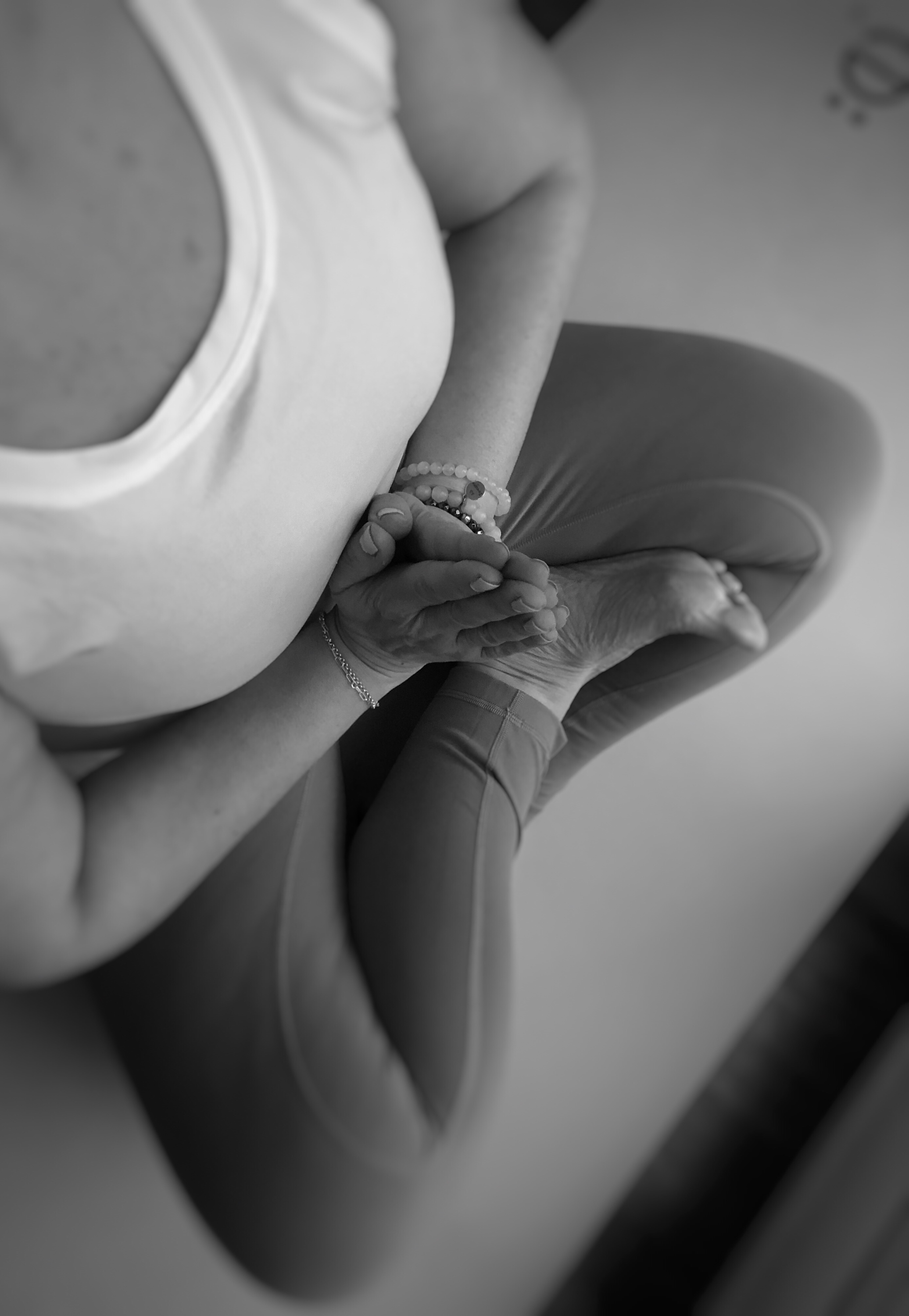
Yoga Therapy: The Gentle Reset Your Body and Mind Deserve!
As we move through our 40s and beyond, our bodies and minds begin to speak a little louder. Stiffness, stress, and sleepless nights can creep in—but yoga offers a gentle way to restore balance. At Zen Mat Yoga Studio, we explore mindful practices inspired by yoga therapy that help you move with ease, breathe deeply, and reconnect with calm. It’s not about perfection—it’s about finding your rhythm, one breath at a time.
As we move through our 40s and beyond, our bodies and minds start to tell a different story. We may feel a little tighter in the hips, notice stress lingering longer, or crave a deeper sense of calm. At Zen Mat Yoga Studio, we love exploring practices like yoga therapy—approaches that inspire mindful movement, balance, and self-care for every stage of life.
What Is Yoga Therapy?
Yoga therapy blends movement, breathwork, mindfulness, and relaxation to support individual health needs. Unlike a group yoga class, yoga therapy is personalized. Each session is tailored to you—your body, your goals, and your lifestyle. Whether you’re managing back pain, stress, anxiety, or simply want to move with more ease, yoga therapy meets you where you are.
A certified yoga therapist works with individuals to create customized plans that may include gentle stretches, breathing techniques, guided meditation, and simple daily practices. These tools calm the nervous system, improve mobility, and build awareness—helping people feel grounded both on and off the mat.
Why Yoga Therapy After 40?
Our 40s and 50s are often filled with change. Hormones shift, priorities evolve, and our bodies start asking for more mindful care. Yoga therapy honors these changes, offering safe, adaptable practices that strengthen without strain. It’s especially supportive for those managing chronic conditions, fatigue, anxiety, or mobility issues. You don’t need to be flexible or experienced; you just need curiosity and a willingness to start.
At Zen Mat Yoga Studio, we believe in progress over perfection. Learning about yoga therapy reminds us that healing can be simple—rooted in breath, movement, and self-compassion. It’s a gentle invitation to slow down, listen to your body, and restore balance at your own pace.
Healing That Goes Beyond the Physical
The power of yoga therapy extends far beyond movement. By uniting breath and awareness, it helps us navigate life’s transitions with more grace and clarity. Each mindful breath becomes a reminder that healing doesn’t always mean doing more—it often means tuning in and doing less.
Whether you’re new to yoga or returning after years away, exploring the principles of yoga therapy can inspire you to move mindfully, breathe deeply, and reconnect with your inner calm.
At Zen Mat Yoga Studio, we celebrate that journey—one breath, one pose, one moment at a time.

The Breath Connection: Elevate Your Yoga Practice with Every Inhale
Breath is the bridge between body and mind in yoga. By consciously connecting with your breath, you can deepen your practice, enhance mindfulness, and unlock a sense of calm and focus. Whether you're flowing through poses or finding stillness, the breath serves as your anchor, guiding you to a more balanced, present, and empowered version of yourself.
Yoga is a journey—one that connects the body, mind, and spirit in harmonious balance. While physical postures (asanas) are a key component of yoga, one of the most powerful tools that often goes underappreciated is the breath. The breath is more than just the air we inhale and exhale; it is a direct connection to our energy, emotions, and mental clarity. In yoga, we use breath consciously to deepen our practice and cultivate a greater sense of peace and presence.
Why Breath Matters in Yoga
In many yoga traditions, particularly in styles like Hatha and Vinyasa, breathwork (or pranayama) is seen as a vital part of the practice. It serves not only to guide movement but also to calm the mind and invigorate the body. By focusing on the breath, we can cultivate mindfulness, bringing us into the present moment and helping to reduce the distractions of the outside world.
Breathing consciously during yoga poses creates a flow of energy, ensuring that we are not just mechanically moving through the postures but are also engaging in a meditative and purposeful practice. This presence of mind can be especially helpful when life feels chaotic, as it gives us an anchor to return to whenever we need to find balance.
The Role of Pranayama in Your Practice
Pranayama, which translates to "extension of the breath" or "control of life force," is a powerful aspect of yoga that can transform your experience on and off the mat. The practice of pranayama involves specific breathing techniques designed to regulate the breath, balance energy, and create a deep sense of calm.
Some common pranayama techniques include:
Ujjayi Pranayama (Victorious Breath): Often referred to as the "ocean breath," this technique involves gently constricting the back of the throat to create a soft, audible sound. It helps to warm the body and enhance concentration.
Nadi Shodhana (Alternate Nostril Breathing): This practice involves alternating breathing through the left and right nostrils to balance the body's energy and calm the mind.
Kapalabhati (Skull Shining Breath): A more energizing technique, kapalabhati involves rapid, forceful exhales followed by passive inhales, helping to clear the mind and boost energy.
Incorporating pranayama into your yoga routine can help you deepen your focus and cultivate a sense of vitality and well-being that extends far beyond the mat.
Breathing Through Movement
In many yoga practices, particularly in Vinyasa, each movement is synchronized with an inhale or exhale. This union of breath and movement creates a flowing sequence that feels almost like a dance. By consciously linking breath with movement, you can enhance your awareness of your body's sensations and connect more deeply with the present moment.
For example:
Inhaling as you reach your arms up in Mountain Pose (Tadasana) can help you feel a sense of expansion and openness.
Exhaling as you fold forward in Forward Fold (Uttanasana) allows you to release tension and feel grounded.
Inhaling as you move into upward-facing dog (Urdhva Mukha Svanasana) helps lift your chest and create space through the spine.
When you pay attention to your breath, it becomes a guide, helping you to move with intention and mindfulness. The rhythm of the breath creates fluidity and ease in the practice, allowing you to feel more connected to your body and the present moment.
Benefits of Conscious Breathing in Yoga
Increased Mindfulness: Focusing on the breath naturally leads you to a state of mindfulness. By paying attention to each inhale and exhale, you become more aware of your body and mind, which can reduce stress and anxiety.
Improved Concentration: When you focus on your breath, you quiet the mental chatter that often distracts you. This heightened concentration can carry over into other areas of life, helping you stay more present and focused.
Enhanced Flexibility and Strength: Conscious breathing can help release tension in the body, making it easier to move deeper into poses. It also supports the flow of oxygen to the muscles, promoting better endurance and strength.
Reduced Stress and Anxiety: Slow, deep breathing activates the parasympathetic nervous system, helping to calm the body and reduce stress levels. This is why pranayama is often practiced in restorative and gentle yoga classes.
Balanced Energy: The breath is the bridge between the physical and energetic aspects of yoga. By regulating your breath, you can influence your energy levels, whether you need to feel energized or deeply relaxed.
Take a Moment to Breathe
As you move through your yoga practice, remember that the breath is your anchor. Whether you are in a challenging pose or a moment of stillness, the breath can guide you toward greater awareness and a deeper connection to yourself. Next time you step onto the mat, focus on the simple yet powerful act of breathing, and notice how it transforms your practice.
Start small: spend a few minutes before your practice to sit in a comfortable position, close your eyes, and bring your attention to your breath. Inhale slowly through your nose, feel your lungs expand, and then exhale fully, releasing any tension. See how this simple practice can make your yoga experience feel more grounded and present.
Remember, yoga is not just about physical postures—it’s about connecting with yourself. And the breath is always there to guide you along the way.
photo- @jareddrice

Swing Back to Comfort: Yoga for Golfer’s Elbow Relief
Golfer's elbow, often caused by repetitive arm and wrist movements, can lead to pain and stiffness. Yoga offers a gentle yet effective approach to relieving discomfort through targeted stretches and mindful strengthening exercises. With poses like Wrist Flexor Stretch, Child’s Pose, and Eagle Arms, you can ease tension, promote circulation, and prevent future strain, all while enhancing overall well-being.
Golfer’s elbow, or medial epicondylitis, is a condition characterized by pain and inflammation on the inner side of the elbow. Despite its name, it’s not limited to golfers; repetitive arm, wrist, or hand movements can lead to this condition in anyone. Yoga, a holistic practice combining movement and mindfulness, can be an effective tool for managing and relieving golfer’s elbow. By focusing on gentle stretches, strengthening exercises, and proper alignment, yoga offers a pathway to recovery and prevention.
Understanding Golfer’s Elbow
Golfer’s elbow occurs when the tendons that attach to the inner elbow become overused or strained. Symptoms include pain, tenderness, and stiffness, often exacerbated by gripping or lifting objects. Repeated motions—whether from swinging a golf club, typing, or heavy lifting—are common culprits.
While rest and avoiding aggravating activities are essential for healing, integrating yoga into your routine can aid in pain relief, improve mobility, and prevent future flare-ups.
How Yoga Helps
Yoga promotes flexibility, strength, and mindfulness. For golfer’s elbow, it targets:
Stretching the Forearms and Wrists: Gentle stretches relieve tension in the affected area.
Strengthening Supporting Muscles: Building strength in the arms, shoulders, and core reduces strain on the elbow.
Promoting Circulation: Dynamic movements encourage blood flow, which aids in healing.
Encouraging Mindfulness: Focusing on body awareness can help you avoid movements that aggravate the condition.
Yoga Sequence for Golfer’s Elbow Relief
Incorporate this sequence into your routine 3-4 times a week to alleviate pain and improve mobility:
Wrist Flexor Stretch (1 minute per side)
Extend one arm straight out with the palm facing up.
Gently pull the fingers back with the opposite hand until you feel a stretch along the underside of your forearm.
Wrist Extensor Stretch (1 minute per side)
Extend one arm straight out with the palm facing down.
Use the opposite hand to gently press the fingers down and toward the body.
Child’s Pose with Wrist Stretch (1-2 minutes)
From a kneeling position, extend your arms forward on the mat.
Turn your palms upward so the backs of your hands rest on the mat.
Sink your hips back toward your heels and breathe deeply.
Eagle Arms (30 seconds per side)
Sit or stand comfortably.
Wrap one arm under the other and press the backs of your hands (or palms) together.
Lift your elbows slightly and breathe into the stretch.
Thread the Needle (30 seconds per side)
Begin in a tabletop position.
Slide one arm underneath the other, resting your shoulder and cheek on the mat.
Keep the opposite arm extended or bent for support.
Modified Plank Pose (3-5 breaths)
Engage your core and keep your shoulders aligned over your wrists.
If sensitive, perform the plank on your forearms or fists to reduce wrist pressure.
Downward Dog with Wrist Stretch (1 minute)
From a plank, lift your hips upward, forming an inverted V-shape.
Slightly turn your palms upward to stretch the wrists.
Shavasana with Arm Support (2-3 minutes)
Lie flat on your back with your arms slightly elevated on a pillow.
Focus on deep, restorative breaths to promote relaxation and healing.
Tips for a Safe Practice
Warm Up: Always start with gentle movements to prepare your muscles.
Modify as Needed: Use props like blocks or straps to support your practice.
Avoid Pain: Stretch to the point of mild tension, not pain.
Be Consistent: Regular practice yields the best results.
Add these Self-Care tips as well!
Combine yoga with other self-care strategies for optimal results. Ice the affected area to reduce inflammation, use a compression band for support, and consider massage to alleviate tension.
Yoga provides a natural and effective way to address golfer’s elbow. By integrating targeted stretches, strengthening exercises, and mindfulness into your routine, you can relieve pain, improve mobility, and prevent recurrence. With patience and consistency, yoga can help you return to the activities you love—on and off the golf course.
If you're looking for a supportive yoga practice you can do from home, explore Zen Flow Yoga at Zen Mat Yoga Studio. Our online class is designed with adults 40+ in mind and welcomes all experience levels.
Zen Flow Yoga at Zen Mat Yoga Studio
photo- @courtneymcook