
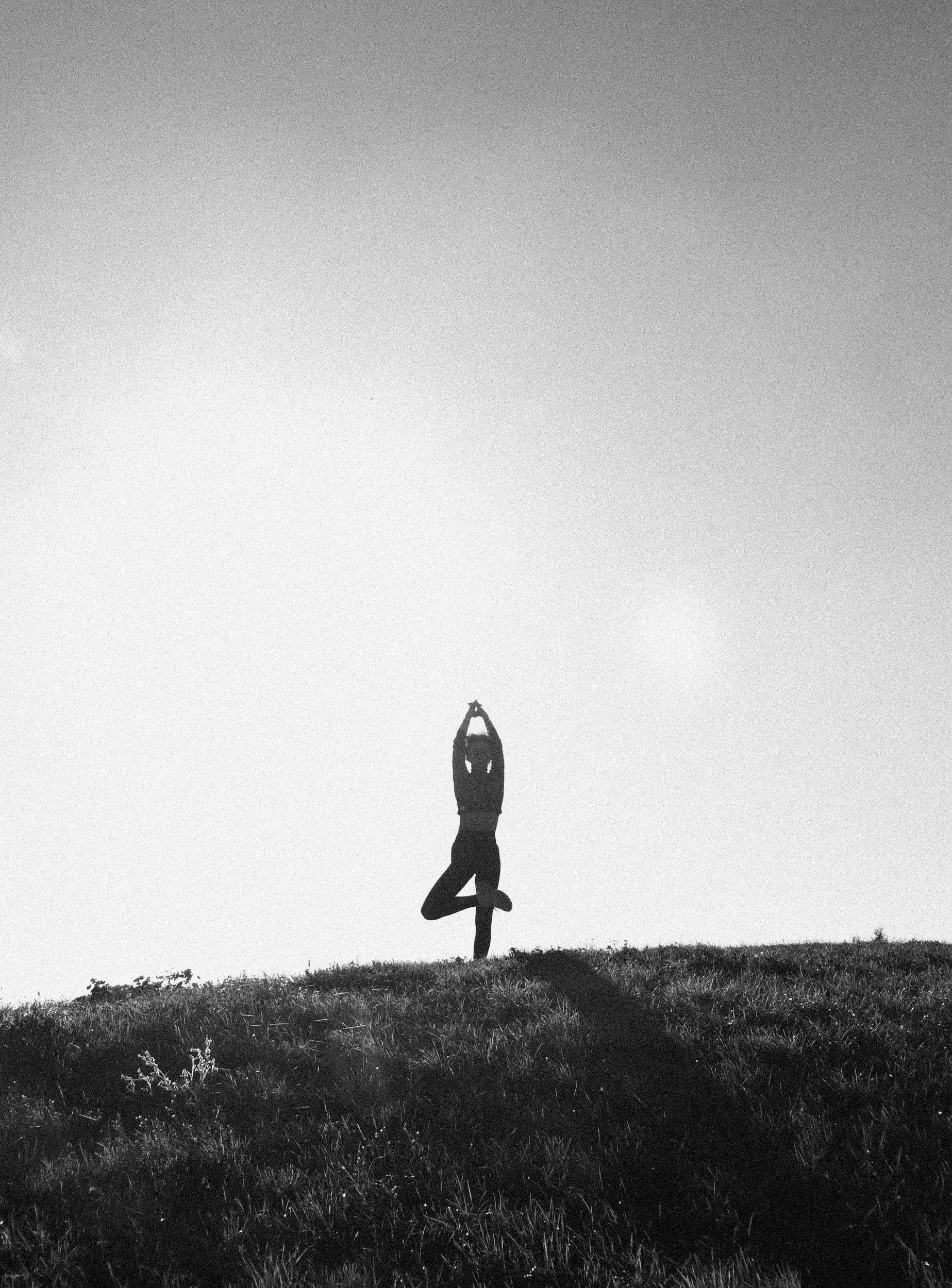
Step Into Stillness: The Rise of Walking Yoga and Why Everyone’s Talking About It
What if your path to mindfulness, balance, and inner calm was as simple as taking a walk? Walking yoga is a gentle yet powerful practice that blends movement with meditation, turning every step into a chance to reconnect—with your body, your breath, and the present moment. Whether you’re seeking stress relief or just a mindful pause in your day, walking yoga invites you to slow down, breathe deeply, and find stillness in motion.
In today’s fast-paced, screen-filled world, finding stillness can feel like a luxury. But what if peace of mind was just a few steps away—literally? Enter walking yoga, a calming yet energizing practice that’s quietly making waves in wellness communities across the globe. It’s simple, accessible, and surprisingly transformative. Whether you're a long-time yogi or someone just trying to find a moment of quiet in a hectic day, walking yoga might be exactly what you need.
What Exactly Is Walking Yoga?
At its core, walking yoga is the marriage of two familiar activities: walking and mindfulness. Also known as mindful walking or yogic walking, it takes the foundational principles of yoga—breath awareness, presence, and intentional movement—and applies them to walking. Unlike traditional yoga, which typically involves flowing sequences or static poses on a mat, walking yoga is dynamic and mobile. You don’t need a studio, mat, or even special clothes. Just your body, your breath, and a space to walk.
The practice draws inspiration from ancient yogic traditions and Buddhist walking meditation. It's designed to be grounding, meditative, and physically gentle—perfect for all ages and fitness levels.
How Do You Practice Walking Yoga?
Getting started with walking yoga is incredibly easy. Here's a step-by-step guide to begin your practice:
Choose Your Space: Look for a quiet, distraction-free area where you feel safe and comfortable. It could be a park trail, a quiet sidewalk, a garden, or even your hallway at home.
Stand and Center Yourself: Before you begin walking, take a moment to stand still. Close your eyes if you’re comfortable, and take 3–5 deep breaths. Feel your feet rooted to the earth and gently release any tension.
Set an Intention: Your intention can be as simple as "I want to be present" or "I walk in peace." Setting an intention helps guide your awareness throughout the practice.
Begin Walking Slowly: Start walking at a slow, deliberate pace. Pay close attention to the movement of your legs and feet—notice the lift, swing, and placement of each step.
Sync Breath with Steps: Coordinate your steps with your breath. For example, inhale for three steps, exhale for three steps. You can adjust this pattern to what feels natural for your body.
Focus on Sensations: Bring your attention to the feeling of the ground beneath your feet, the rhythm of your breath, the movement in your muscles. If your mind wanders (which it will!), gently bring your focus back.
Close with Stillness: After 10–20 minutes of walking, pause and stand still. Take a few moments to notice how your body feels. Reflect on your experience without judgment.
Is Walking Yoga Really Effective?
Short answer: Yes, absolutely.
Walking yoga offers a wide range of physical and mental health benefits. On the physical side, it encourages gentle movement, improves circulation, promotes joint flexibility, and can support balance and coordination. For people recovering from injury or those with mobility limitations, it offers a low-impact alternative to more intense workouts or floor-based yoga practices.
But the real magic of walking yoga lies in its mental and emotional effects. Studies and anecdotal evidence suggest that mindful walking can:
Reduce stress and anxiety
Lower blood pressure
Enhance mood and emotional resilience
Improve focus and cognitive clarity
Boost feelings of connection—with nature, yourself, and the present moment
Many practitioners say it helps them feel grounded, centered, and recharged—especially during busy or emotionally overwhelming periods.
Who Is It For?
One of the best things about walking yoga is how inclusive it is. It’s ideal for:
Beginners who may feel intimidated by a traditional yoga class
Seniors or those with limited mobility
Busy professionals who want to integrate mindfulness into their routine
Anyone seeking stress relief without needing a gym or studio
You can do it on your lunch break, after a long meeting, during a nature walk, or even while pacing in your living room. No fancy poses, no pressure—just you and your breath, walking with intention.
Final Thoughts: Take the First Step
Walking yoga invites us to slow down and be in our bodies—to feel each step, each breath, each moment. In a culture that often glorifies hustle, this practice whispers a different message: peace is already here, if we just pause and listen.
So next time you feel overwhelmed, scattered, or disconnected, consider stepping outside for a mindful stroll. You might be surprised at how much clarity, calm, and energy you find—just by putting one foot in front of the other.
Photo- @suleymanovae

The Breath Connection: Elevate Your Yoga Practice with Every Inhale
Breath is the bridge between body and mind in yoga. By consciously connecting with your breath, you can deepen your practice, enhance mindfulness, and unlock a sense of calm and focus. Whether you're flowing through poses or finding stillness, the breath serves as your anchor, guiding you to a more balanced, present, and empowered version of yourself.
Yoga is a journey—one that connects the body, mind, and spirit in harmonious balance. While physical postures (asanas) are a key component of yoga, one of the most powerful tools that often goes underappreciated is the breath. The breath is more than just the air we inhale and exhale; it is a direct connection to our energy, emotions, and mental clarity. In yoga, we use breath consciously to deepen our practice and cultivate a greater sense of peace and presence.
Why Breath Matters in Yoga
In many yoga traditions, particularly in styles like Hatha and Vinyasa, breathwork (or pranayama) is seen as a vital part of the practice. It serves not only to guide movement but also to calm the mind and invigorate the body. By focusing on the breath, we can cultivate mindfulness, bringing us into the present moment and helping to reduce the distractions of the outside world.
Breathing consciously during yoga poses creates a flow of energy, ensuring that we are not just mechanically moving through the postures but are also engaging in a meditative and purposeful practice. This presence of mind can be especially helpful when life feels chaotic, as it gives us an anchor to return to whenever we need to find balance.
The Role of Pranayama in Your Practice
Pranayama, which translates to "extension of the breath" or "control of life force," is a powerful aspect of yoga that can transform your experience on and off the mat. The practice of pranayama involves specific breathing techniques designed to regulate the breath, balance energy, and create a deep sense of calm.
Some common pranayama techniques include:
Ujjayi Pranayama (Victorious Breath): Often referred to as the "ocean breath," this technique involves gently constricting the back of the throat to create a soft, audible sound. It helps to warm the body and enhance concentration.
Nadi Shodhana (Alternate Nostril Breathing): This practice involves alternating breathing through the left and right nostrils to balance the body's energy and calm the mind.
Kapalabhati (Skull Shining Breath): A more energizing technique, kapalabhati involves rapid, forceful exhales followed by passive inhales, helping to clear the mind and boost energy.
Incorporating pranayama into your yoga routine can help you deepen your focus and cultivate a sense of vitality and well-being that extends far beyond the mat.
Breathing Through Movement
In many yoga practices, particularly in Vinyasa, each movement is synchronized with an inhale or exhale. This union of breath and movement creates a flowing sequence that feels almost like a dance. By consciously linking breath with movement, you can enhance your awareness of your body's sensations and connect more deeply with the present moment.
For example:
Inhaling as you reach your arms up in Mountain Pose (Tadasana) can help you feel a sense of expansion and openness.
Exhaling as you fold forward in Forward Fold (Uttanasana) allows you to release tension and feel grounded.
Inhaling as you move into upward-facing dog (Urdhva Mukha Svanasana) helps lift your chest and create space through the spine.
When you pay attention to your breath, it becomes a guide, helping you to move with intention and mindfulness. The rhythm of the breath creates fluidity and ease in the practice, allowing you to feel more connected to your body and the present moment.
Benefits of Conscious Breathing in Yoga
Increased Mindfulness: Focusing on the breath naturally leads you to a state of mindfulness. By paying attention to each inhale and exhale, you become more aware of your body and mind, which can reduce stress and anxiety.
Improved Concentration: When you focus on your breath, you quiet the mental chatter that often distracts you. This heightened concentration can carry over into other areas of life, helping you stay more present and focused.
Enhanced Flexibility and Strength: Conscious breathing can help release tension in the body, making it easier to move deeper into poses. It also supports the flow of oxygen to the muscles, promoting better endurance and strength.
Reduced Stress and Anxiety: Slow, deep breathing activates the parasympathetic nervous system, helping to calm the body and reduce stress levels. This is why pranayama is often practiced in restorative and gentle yoga classes.
Balanced Energy: The breath is the bridge between the physical and energetic aspects of yoga. By regulating your breath, you can influence your energy levels, whether you need to feel energized or deeply relaxed.
Take a Moment to Breathe
As you move through your yoga practice, remember that the breath is your anchor. Whether you are in a challenging pose or a moment of stillness, the breath can guide you toward greater awareness and a deeper connection to yourself. Next time you step onto the mat, focus on the simple yet powerful act of breathing, and notice how it transforms your practice.
Start small: spend a few minutes before your practice to sit in a comfortable position, close your eyes, and bring your attention to your breath. Inhale slowly through your nose, feel your lungs expand, and then exhale fully, releasing any tension. See how this simple practice can make your yoga experience feel more grounded and present.
Remember, yoga is not just about physical postures—it’s about connecting with yourself. And the breath is always there to guide you along the way.
photo- @jareddrice
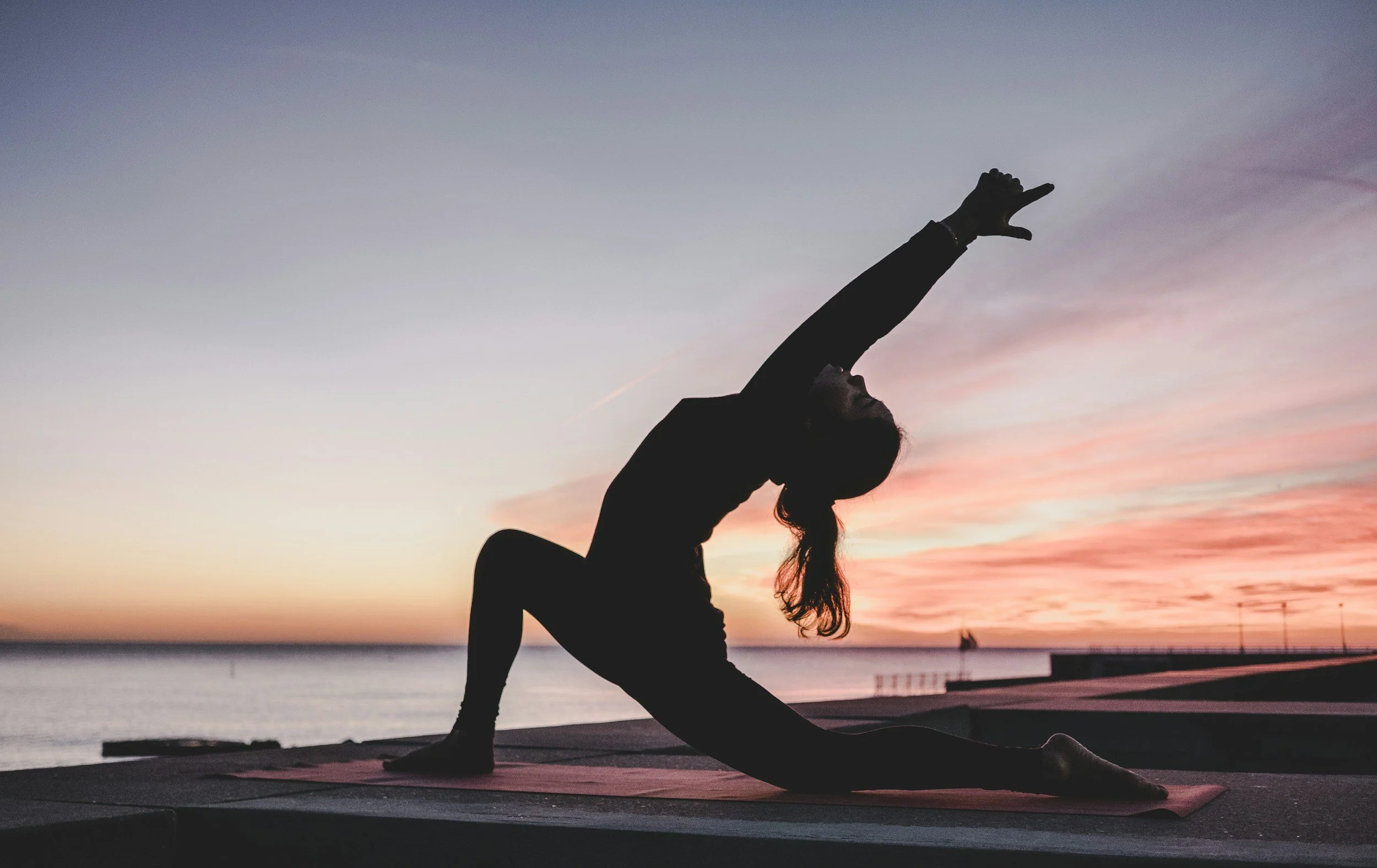
Strike a Pose, Add More Years: The Yoga Effect
In today’s fast-paced world, stress and unhealthy habits can take a toll on overall well-being. Yoga offers a natural and holistic approach to enhancing both physical and mental health. By promoting relaxation, improving circulation, and supporting flexibility, yoga can help you feel better and potentially lead a longer, more fulfilling life.
In today’s fast-paced world, stress, sedentary lifestyles, and poor dietary habits can take a toll on overall health. While modern medicine has advanced well-being, holistic practices like yoga offer a natural way to improve both physical and mental health. Studies have shown that yoga can support well-being, ultimately helping individuals lead healthier lives. Here’s how yoga can benefit you.
1. Reduces Stress and Promotes Relaxation
Chronic stress can contribute to various health issues, including heart problems, high blood pressure, and weakened immunity. Yoga, with its emphasis on breath control, meditation, and mindful movement, activates the parasympathetic nervous system, reducing stress and promoting relaxation. Practices like deep breathing and meditation enhance well-being by minimizing the harmful effects of chronic stress.
2. Supports Overall Circulation
Good circulation is important for overall health. Yoga involves movements and breathing techniques that may help improve blood flow. Certain postures encourage mobility and flexibility, which can contribute to overall well-being.
3. Enhances Respiratory Function
Breathing is fundamental to well-being, and yoga places great emphasis on pranayama (breath control). Yogic breathing exercises strengthen the lungs, improve oxygen intake, and support respiratory function. Studies show that consistent yoga practice can increase lung capacity and efficiency, benefiting individuals with respiratory conditions.
4. Boosts Immune Function
A robust immune system is key to staying healthy. Yoga supports immune function by reducing inflammation, improving circulation, and lowering stress. Yoga postures, combined with breathwork and meditation, help detoxify the body, making it more resilient to infections and illnesses.
5. Maintains Strength and Flexibility
As individuals age, muscle mass naturally declines, leading to reduced mobility and increased risk of injuries. Yoga helps maintain muscle tone, flexibility, and balance, keeping the body strong and agile. Strength-building poses like warrior poses, chair pose, and plank help support overall mobility and physical health.
6. Supports Mental Clarity and Cognitive Function
Brain health is essential for overall well-being. Yoga and meditation have been linked to improved memory, focus, and cognitive function. Studies suggest that yoga increases gray matter in the brain, supports mental clarity, and enhances emotional resilience.
7. Encourages Healthy Habits and Lifestyle Choices
People who practice yoga often adopt a holistic approach to well-being, including nutritious eating, mindfulness, and self-care. This integrative approach to health not only enhances daily life but also supports long-term wellness, making aging a more graceful and enjoyable process.
Yoga is more than just a physical exercise—it is a holistic practice that nurtures the body, mind, and spirit. By reducing stress, supporting circulation and lung function, boosting immunity, maintaining strength, and promoting cognitive health, yoga can help you lead a healthier and more fulfilling life. Whether you’re new to yoga or a seasoned practitioner, incorporating yoga into your routine can be a transformative step toward enhanced well-being.
Photo- @kikekiks

Swing Back to Comfort: Yoga for Golfer’s Elbow Relief
Golfer's elbow, often caused by repetitive arm and wrist movements, can lead to pain and stiffness. Yoga offers a gentle yet effective approach to relieving discomfort through targeted stretches and mindful strengthening exercises. With poses like Wrist Flexor Stretch, Child’s Pose, and Eagle Arms, you can ease tension, promote circulation, and prevent future strain, all while enhancing overall well-being.
Golfer’s elbow, or medial epicondylitis, is a condition characterized by pain and inflammation on the inner side of the elbow. Despite its name, it’s not limited to golfers; repetitive arm, wrist, or hand movements can lead to this condition in anyone. Yoga, a holistic practice combining movement and mindfulness, can be an effective tool for managing and relieving golfer’s elbow. By focusing on gentle stretches, strengthening exercises, and proper alignment, yoga offers a pathway to recovery and prevention.
Understanding Golfer’s Elbow
Golfer’s elbow occurs when the tendons that attach to the inner elbow become overused or strained. Symptoms include pain, tenderness, and stiffness, often exacerbated by gripping or lifting objects. Repeated motions—whether from swinging a golf club, typing, or heavy lifting—are common culprits.
While rest and avoiding aggravating activities are essential for healing, integrating yoga into your routine can aid in pain relief, improve mobility, and prevent future flare-ups.
How Yoga Helps
Yoga promotes flexibility, strength, and mindfulness. For golfer’s elbow, it targets:
Stretching the Forearms and Wrists: Gentle stretches relieve tension in the affected area.
Strengthening Supporting Muscles: Building strength in the arms, shoulders, and core reduces strain on the elbow.
Promoting Circulation: Dynamic movements encourage blood flow, which aids in healing.
Encouraging Mindfulness: Focusing on body awareness can help you avoid movements that aggravate the condition.
Yoga Sequence for Golfer’s Elbow Relief
Incorporate this sequence into your routine 3-4 times a week to alleviate pain and improve mobility:
Wrist Flexor Stretch (1 minute per side)
Extend one arm straight out with the palm facing up.
Gently pull the fingers back with the opposite hand until you feel a stretch along the underside of your forearm.
Wrist Extensor Stretch (1 minute per side)
Extend one arm straight out with the palm facing down.
Use the opposite hand to gently press the fingers down and toward the body.
Child’s Pose with Wrist Stretch (1-2 minutes)
From a kneeling position, extend your arms forward on the mat.
Turn your palms upward so the backs of your hands rest on the mat.
Sink your hips back toward your heels and breathe deeply.
Eagle Arms (30 seconds per side)
Sit or stand comfortably.
Wrap one arm under the other and press the backs of your hands (or palms) together.
Lift your elbows slightly and breathe into the stretch.
Thread the Needle (30 seconds per side)
Begin in a tabletop position.
Slide one arm underneath the other, resting your shoulder and cheek on the mat.
Keep the opposite arm extended or bent for support.
Modified Plank Pose (3-5 breaths)
Engage your core and keep your shoulders aligned over your wrists.
If sensitive, perform the plank on your forearms or fists to reduce wrist pressure.
Downward Dog with Wrist Stretch (1 minute)
From a plank, lift your hips upward, forming an inverted V-shape.
Slightly turn your palms upward to stretch the wrists.
Shavasana with Arm Support (2-3 minutes)
Lie flat on your back with your arms slightly elevated on a pillow.
Focus on deep, restorative breaths to promote relaxation and healing.
Tips for a Safe Practice
Warm Up: Always start with gentle movements to prepare your muscles.
Modify as Needed: Use props like blocks or straps to support your practice.
Avoid Pain: Stretch to the point of mild tension, not pain.
Be Consistent: Regular practice yields the best results.
Add these Self-Care tips as well!
Combine yoga with other self-care strategies for optimal results. Ice the affected area to reduce inflammation, use a compression band for support, and consider massage to alleviate tension.
Yoga provides a natural and effective way to address golfer’s elbow. By integrating targeted stretches, strengthening exercises, and mindfulness into your routine, you can relieve pain, improve mobility, and prevent recurrence. With patience and consistency, yoga can help you return to the activities you love—on and off the golf course.
If you're looking for a supportive yoga practice you can do from home, explore Zen Flow Yoga at Zen Mat Yoga Studio. Our online class is designed with adults 40+ in mind and welcomes all experience levels.
photo- @courtneymcook
Looking for a gentle way to move?
If you're interested in exploring yoga in a supportive, adaptable way, you're welcome to learn more about my online yoga classes. Every body is different, and your practice should meet you where you are. click here

Is Hot Yoga Good for You? Exploring the Benefits and Considerations
Hot yoga offers a unique blend of flexibility, strength, and mindfulness in a heated environment. With benefits like improved circulation, stress relief, and calorie burn, it’s an invigorating practice. However, it’s not for everyone—hydration, caution, and listening to your body are key to enjoying this sweaty workout safely.
Hot yoga has gained immense popularity over the years, promising a sweat-drenched workout that combines flexibility, strength, and mindfulness. But is it actually good for you? The answer depends on various factors, including your fitness level, health conditions, and personal preferences.
Let’s dive into what hot yoga entails, its potential benefits, and some important considerations before rolling out your mat in a heated room.
What Is Hot Yoga?
Hot yoga is a style of yoga practiced in a room heated to approximately 85–105°F (29–40°C). While the specific temperature depends on the studio and type of class, the aim is to create an environment that mimics the heat and humidity of India, where yoga originated.
Bikram Yoga, a specific form of hot yoga, follows a set sequence of 26 poses and two breathing exercises in a room heated to 105°F with 40% humidity. Other hot yoga classes may offer more varied sequences, such as Vinyasa or Power Yoga, but the heated environment remains a constant.
Potential Benefits of Hot Yoga
1. Improved Flexibility
The heat helps warm up muscles, making them more pliable and reducing the risk of injury. This allows you to achieve deeper stretches and improve overall flexibility.
2. Enhanced Detoxification
Sweating is one of the body’s natural ways of eliminating toxins. Hot yoga increases perspiration, which may support detoxification processes, leaving you feeling refreshed.
3. Increased Cardiovascular Health
Hot yoga challenges your cardiovascular system by elevating your heart rate, similar to aerobic exercise. This can improve circulation, endurance, and overall heart health.
4. Boosted Mental Focus
Practicing yoga in a heated room demands concentration and mental discipline. Over time, this can enhance your focus and mindfulness both on and off the mat.
5. Stress Reduction
Like other forms of yoga, hot yoga promotes relaxation through deep breathing and movement. The added heat may enhance this calming effect, helping to reduce stress and anxiety.
6. Calorie Burn
Hot yoga sessions can burn more calories compared to non-heated classes, making it an appealing option for those looking to manage their weight.
Considerations Before Trying Hot Yoga
While hot yoga has numerous benefits, it’s not without its risks. Understanding these considerations is essential to ensure a safe and enjoyable experience.
1. Risk of Dehydration
Excessive sweating can lead to dehydration if you don’t drink enough water before, during, and after class. Dehydration may cause dizziness, headaches, or fatigue.
2. Overstretching
The heat can create a false sense of flexibility, leading to overstretching or muscle strain. Be mindful of your body’s limits and avoid pushing too hard.
3. Preexisting Health Conditions
Hot yoga is not recommended for individuals with certain health conditions, such as cardiovascular issues, high blood pressure, or a history of heat sensitivity. Consult your doctor if you’re unsure.
4. Intense Environment
The heat and humidity can be overwhelming for beginners or those not accustomed to such conditions. Start with shorter sessions or lower-temperature classes if you’re new to hot yoga.
5. Potential for Heat-Related Illness
Prolonged exposure to high heat may increase the risk of heat exhaustion or heatstroke. Listen to your body and rest when needed.
Who Can Benefit Most from Hot Yoga?
Hot yoga is ideal for individuals looking to combine the physical benefits of yoga with a more intense workout. It’s especially popular among those seeking to:
Improve flexibility and strength.
Boost mental focus and discipline.
Enhance cardiovascular health.
Complement weight management efforts.
However, it’s important to approach hot yoga with mindfulness and preparation, particularly if you’re new to yoga or have health concerns.
Tips for a Safe Hot Yoga Experience
Hydrate Thoroughly: Drink plenty of water before, during, and after class to prevent dehydration.
Choose Appropriate Clothing: Wear moisture-wicking, lightweight attire to stay comfortable.
Bring a Towel: A non-slip yoga towel is essential to absorb sweat and maintain grip on your mat.
Listen to Your Body: Take breaks when needed and avoid pushing past your comfort zone.
Start Slowly: Begin with beginner-friendly classes or lower temperatures to acclimate to the heat.
Consult a Doctor: If you have any health conditions, check with your healthcare provider before trying hot yoga.
Is Hot Yoga Good for You?
Hot yoga can be an excellent practice for improving flexibility, building strength, and enhancing mindfulness, all while offering a unique cardiovascular challenge. However, it’s not for everyone. Those with health conditions or heat sensitivity should exercise caution or explore non-heated yoga options.
Ultimately, the key to benefiting from hot yoga lies in understanding your body’s needs, staying hydrated, and practicing with mindfulness. If you’re up for the challenge and intrigued by the idea of sweating it out in a heated room, hot yoga might just be the invigorating experience you’re looking for. Namaste!
Photo- @conscious_design

Yoga in Bed: Relax, Restore, and Rejuvenate
Yoga isn’t just for the mat—it can be practiced right in the comfort of your bed. Bed yoga offers a gentle way to relax your body and calm your mind, whether you’re easing into the day or winding down for restful sleep. With poses like Child’s Pose, Reclined Butterfly, and Legs-Up-the-Wall, you can enjoy improved flexibility, reduced stress, and better sleep—all without leaving your cozy sanctuary.
Discover how bed yoga can transform your mornings and evenings with simple, restorative movements.
Yoga isn’t confined to the mat or studio—it’s a practice you can take anywhere, including your bed. Bed yoga is a gentle yet effective way to relax your body, calm your mind, and set the tone for restful sleep or a refreshed morning. Whether you're winding down after a long day or easing into a new one, these poses can be done right in the comfort of your bed.
Here’s a guide to a simple yoga-in-bed sequence to promote wellness and tranquility.
1. Child’s Pose (Balasana)
Why: This pose gently stretches the lower back, hips, and thighs, while calming the mind.
How to Do It:
Kneel on your bed with your knees wide apart and toes touching.
Sit back on your heels and stretch your arms forward, lowering your chest towards the bed.
Rest your forehead on the mattress and take slow, deep breaths.
Hold for: 5-10 breaths.
2. Cat-Cow Stretch (Marjaryasana-Bitilasana)
Why: A wonderful way to release tension from the spine and improve flexibility.
How to Do It:
Come to all fours with your wrists under shoulders and knees under hips.
Inhale, arch your back (Cow Pose) and look up.
Exhale, round your spine (Cat Pose), tucking your chin to your chest.
Repeat for: 6-8 breaths.
3. Seated Forward Fold (Paschimottanasana)
Why: Stretches the hamstrings and lower back while promoting relaxation.
How to Do It:
Sit on your bed with your legs extended straight in front of you.
Inhale, lengthen your spine, and exhale, fold forward, reaching towards your toes.
Keep your knees slightly bent if needed.
Hold for: 5-8 breaths.
4. Reclined Butterfly Pose (Supta Baddha Konasana)
Why: Opens the hips and groin area while encouraging deep relaxation.
How to Do It:
Lie on your back with your knees bent and soles of your feet together.
Let your knees fall apart, forming a diamond shape with your legs.
Place your hands on your belly or by your sides.
Hold for: 1-2 minutes, breathing deeply.
5. Supine Twist (Supta Matsyendrasana)
Why: Releases tension in the spine and stretches the back and shoulders.
How to Do It:
Lie on your back with your knees bent and feet flat on the bed.
Hug your knees to your chest and let them fall to one side while keeping your shoulders grounded.
Extend your arms out in a T-shape and gaze in the opposite direction of your knees.
Hold for: 30 seconds on each side.
6. Legs-Up-the-Wall Pose (Viparita Karani)
Why: Relieves tired legs, improves circulation, and calms the nervous system.
How to Do It:
Lie on your back with your hips as close to the headboard or wall as possible.
Extend your legs up against the wall or headboard.
Rest your arms by your sides and focus on your breath.
Hold for: 2-3 minutes.
7. Savasana (Corpse Pose)
Why: Encourages full-body relaxation and prepares the mind for deep rest.
How to Do It:
Lie flat on your back with your arms relaxed by your sides.
Let your feet fall naturally apart and close your eyes.
Focus on your breath, allowing your body to completely relax.
Hold for: 3-5 minutes, or as long as you like.
Benefits of Bed Yoga
Improved Sleep: Gentle poses help activate the parasympathetic nervous system, promoting relaxation and reducing insomnia.
Reduced Stress: Mindful breathing and stretching help lower cortisol levels.
Increased Flexibility: Regular practice improves mobility, even for those with limited range of motion.
Convenience: No need for a yoga mat or studio—your bed is all you need.
Tips for Bed Yoga
Wear Comfortable Clothing: Opt for loose, breathable pajamas to allow ease of movement.
Incorporate Breathing Techniques: Focus on slow, deep breaths to enhance the calming effects.
Set the Mood: Dim the lights, play soft music, or use aromatherapy to create a relaxing atmosphere.
Conclusion
Yoga in bed is a versatile, soothing practice suitable for all levels. It’s particularly beneficial for adults 40+ seeking gentle ways to nurture their bodies and minds. Incorporating these poses into your nightly routine or morning rituals can help you feel more balanced and rejuvenated.
So, the next time you’re looking for a moment of calm, roll onto your bed and let yoga guide you to a place of peace. Namaste!
Photo- @madssunshine