Boost Your Flexibility with This One Yoga Pose
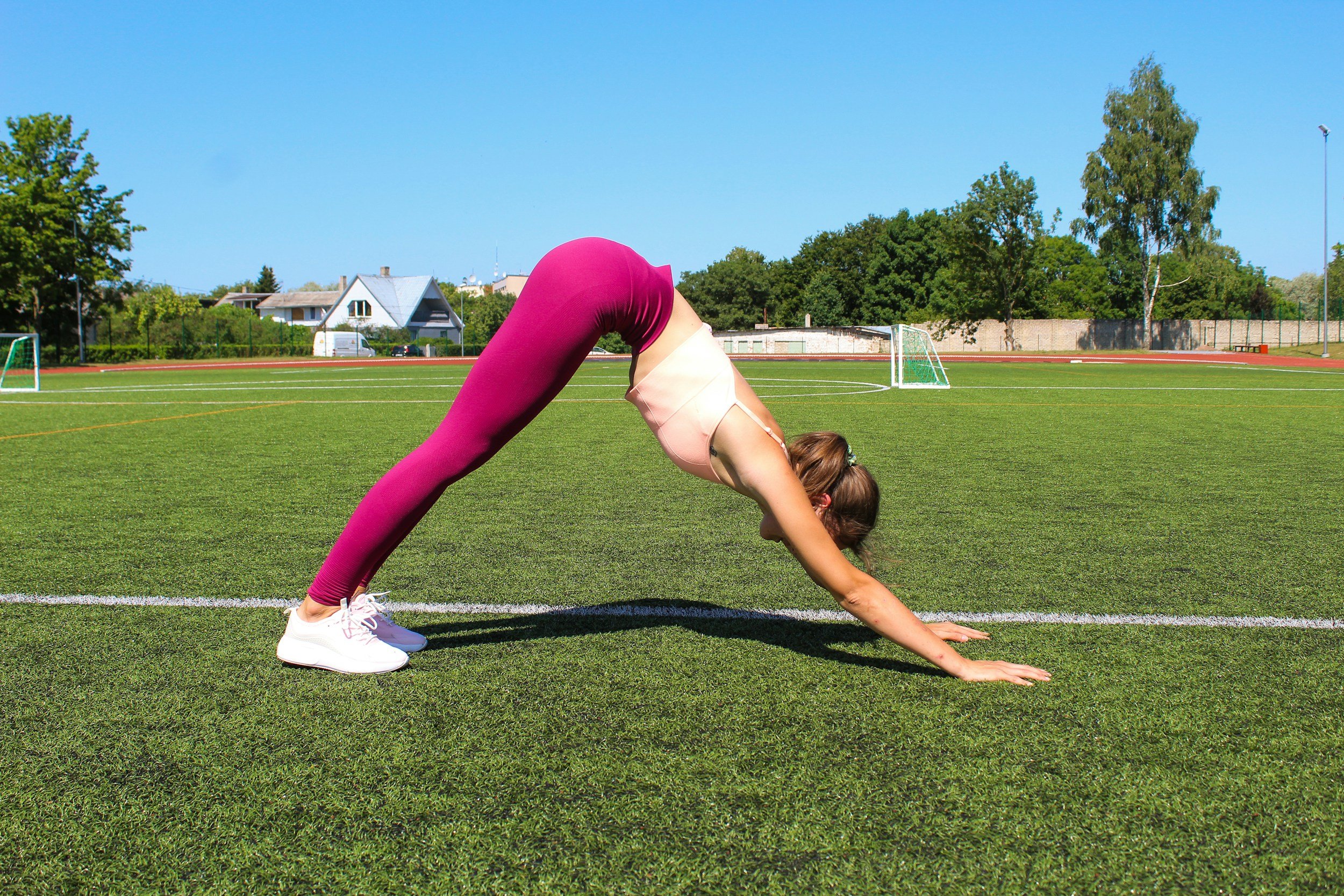
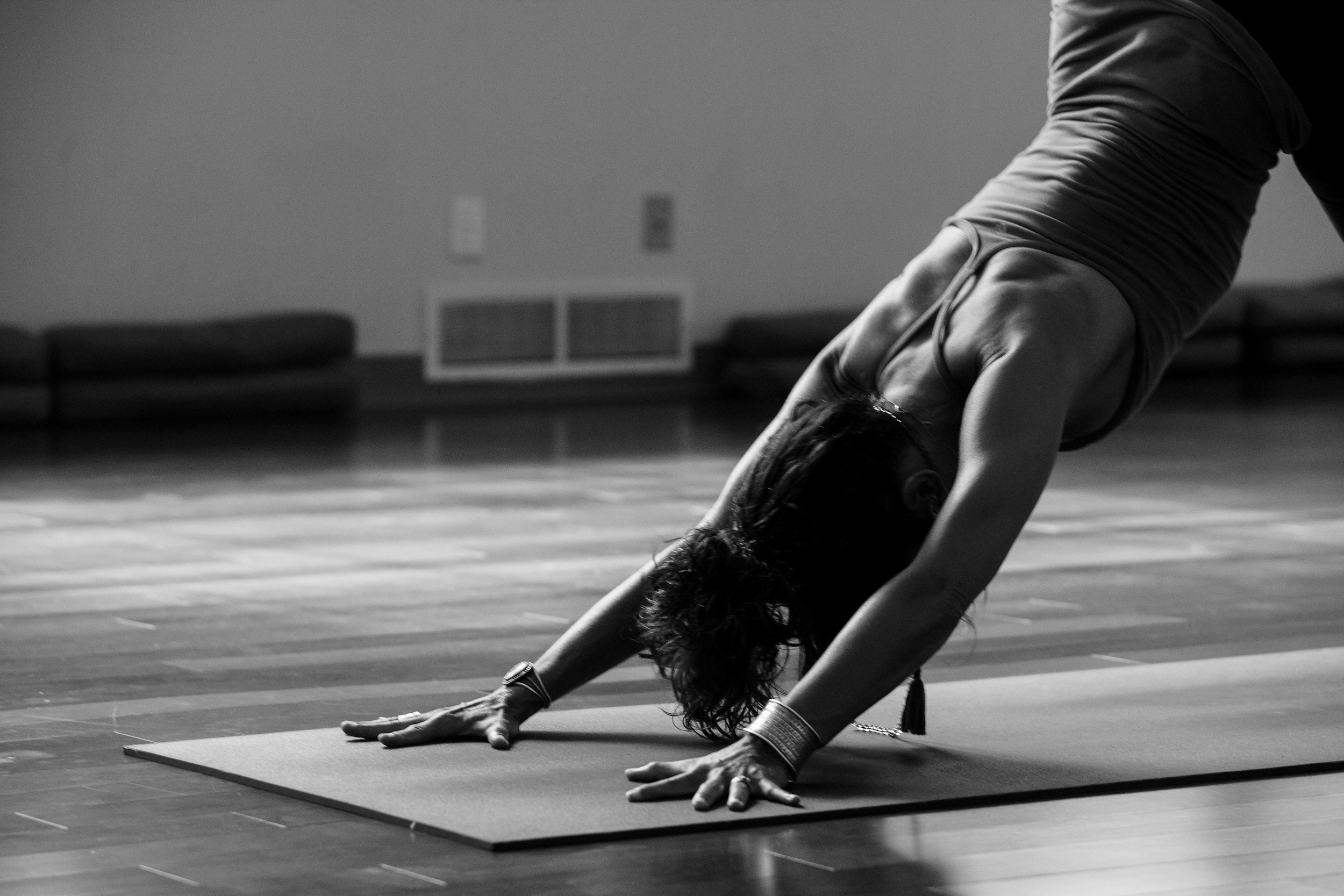
n the realm of yoga, one pose stands out for its incredible ability to enhance flexibility and promote overall well-being: Downward-Facing Dog (Adho Mukha Svanasana). This foundational posture offers a full-body stretch that targets key muscle groups, making it an essential part of any yoga practice. Whether you're a seasoned yogi or a beginner, incorporating Downward-Facing Dog into your routine can unlock new levels of flexibility and strength.
Downward-Facing Dog stretches the hamstrings, calves, shoulders, and spine, providing a holistic approach to flexibility. The pose not only lengthens these muscles but also improves circulation and energizes the body. By practicing this pose regularly and mindfully, you can experience significant improvements in your range of motion and overall physical health.
Yoga is renowned for its ability to improve flexibility, strength, and overall well-being. Among the multitude of poses, one stands out as particularly effective for enhancing flexibility: Downward-Facing Dog (Adho Mukha Svanasana). This foundational pose is a staple in many yoga practices, offering a full-body stretch that targets multiple muscle groups. In this article, we'll explore the benefits of Downward-Facing Dog and how to practice it correctly to maximize your flexibility.
The Benefits of Downward-Facing Dog
Downward-Facing Dog is a dynamic pose that stretches the hamstrings, calves, shoulders, and spine. Here are some of the key benefits of incorporating this pose into your routine:
Hamstring and Calf Flexibility: One of the primary areas targeted by Downward-Facing Dog is the posterior chain, which includes the hamstrings and calves. Regular practice helps lengthen these muscles, reducing tightness and improving range of motion.
Spine and Shoulder Stretch: This pose provides a gentle traction for the spine, helping to elongate and decompress the vertebrae. It also stretches and strengthens the shoulders, which can alleviate tension and improve posture.
Full-Body Engagement: Downward-Facing Dog engages the entire body, promoting strength and stability. This holistic engagement helps improve overall flexibility by addressing multiple muscle groups simultaneously.
Improved Circulation: By positioning the heart above the head, this pose encourages blood flow to the brain and upper body, enhancing circulation and energizing the body.
How to Practice Downward-Facing Dog
Achieving the full benefits of Downward-Facing Dog requires proper alignment and technique. Follow these steps to practice the pose correctly:
Start on All Fours: Begin in a tabletop position with your wrists directly under your shoulders and your knees under your hips. Spread your fingers wide and press firmly into the mat.
Tuck Your Toes and Lift Your Hips: On an exhale, tuck your toes under and lift your hips towards the ceiling. Straighten your legs as much as possible without locking your knees.
Align Your Body: Your body should form an inverted V-shape. Keep your hands shoulder-width apart and your feet hip-width apart. Your head should be between your arms, aligned with your spine.
Engage Your Muscles: Press firmly through your hands and draw your shoulder blades down your back. Engage your core muscles to support your spine and lift your hips higher.
Adjust for Comfort: If your hamstrings are tight, you can keep a slight bend in your knees. Focus on lengthening your spine and gradually work towards straightening your legs.
Breathe Deeply: Hold the pose for five to ten breaths, breathing deeply and steadily. With each exhale, try to deepen the stretch by lifting your hips higher and pressing your heels towards the mat.
Tips for Enhancing Flexibility
To maximize the flexibility benefits of Downward-Facing Dog, incorporate these tips into your practice:
Warm-Up: Always start with a gentle warm-up to prepare your muscles. Sun Salutations are an excellent way to heat up the body before moving into deeper stretches.
Consistency: Practice Downward-Facing Dog regularly. Consistent practice is key to improving flexibility over time.
Listen to Your Body: Never push yourself to the point of pain. Respect your body’s limits and progress gradually.
Combine with Other Poses: Complement Downward-Facing Dog with other flexibility-enhancing poses such as Forward Folds, Pigeon Pose, and Lunges.
In conclusion, Downward-Facing Dog is a powerful pose for unlocking flexibility and enhancing overall well-being. By practicing this pose regularly and mindfully, you can experience significant improvements in your flexibility and enjoy the numerous benefits that yoga has to offer. Embrace the journey, and let Downward-Facing Dog be your guide to a more flexible and balanced body.
Photo- @nikolammm

Navigating Self-Care in a Busy World: Strategies for Cultivating Mindfulness and Well-Being
In the midst of our busy lives, it's easy to feel overwhelmed by the constant demands and distractions vying for our attention. Yet, amidst the chaos, lies a powerful tool for navigating the ups and downs of life with grace and resilience: mindfulness.
In today's fast-paced world, it's all too easy to get caught up in the hustle and bustle of daily life, leaving little time for self-care and reflection. However, prioritizing our well-being is essential for maintaining balance and resilience in the face of life's challenges. Navigating self-care in a busy world requires intentional effort and mindfulness, but the rewards are well worth it. In this article, we'll explore strategies for cultivating mindfulness and well-being amidst the chaos of modern life.
At the heart of self-care lies the practice of mindfulness – the art of paying attention to the present moment with openness and curiosity. Mindfulness allows us to step out of autopilot mode and become more attuned to our thoughts, feelings, and sensations. By cultivating mindfulness, we can reduce stress, enhance focus, and foster a greater sense of calm and clarity in our lives.
One of the most accessible ways to incorporate mindfulness into our daily routine is through meditation. Meditation involves sitting quietly and observing the breath, sensations in the body, or the flow of thoughts without judgment. Even just a few minutes of meditation each day can have a profound impact on our mental and emotional well-being, helping us to cultivate greater resilience and inner peace.
In addition to formal meditation practices, we can also cultivate mindfulness through everyday activities such as walking, eating, or even washing the dishes. By bringing our full attention to each moment, we can turn routine tasks into opportunities for presence and connection, allowing us to savor the richness of life as it unfolds.
Another important aspect of self-care is learning to manage stress effectively. While we may not be able to eliminate stress entirely, we can develop coping strategies to navigate it more skillfully. This may involve setting boundaries, practicing relaxation techniques such as deep breathing or progressive muscle relaxation, or engaging in activities that bring us joy and replenish our energy reserves.
In today's digital age, it's also essential to recognize the impact of technology on our well-being and to take steps to unplug and recharge regularly. Constant connectivity can leave us feeling drained and overwhelmed, so carving out time for digital detoxes and offline activities is crucial for maintaining balance and perspective.
Furthermore, self-care extends beyond individual practices to include nurturing our relationships and connections with others. Cultivating meaningful connections with friends, family, and community can provide vital support and foster a sense of belonging and purpose. Whether it's scheduling regular outings with loved ones or volunteering for a cause we care about, investing in our relationships is an essential aspect of self-care.
Finally, it's essential to approach self-care with self-compassion and kindness. We all have days when we feel overwhelmed or fall short of our self-care goals, and that's okay. Instead of beating ourselves up, we can practice self-compassion by treating ourselves with the same warmth and understanding that we would offer to a friend in need.
In conclusion, navigating self-care in a busy world requires intention, mindfulness, and self-compassion. By prioritizing our well-being and incorporating mindfulness practices into our daily lives, we can cultivate greater resilience, balance, and joy amidst the chaos of modern life. So take a deep breath, slow down, and remember to nourish yourself – you deserve it.
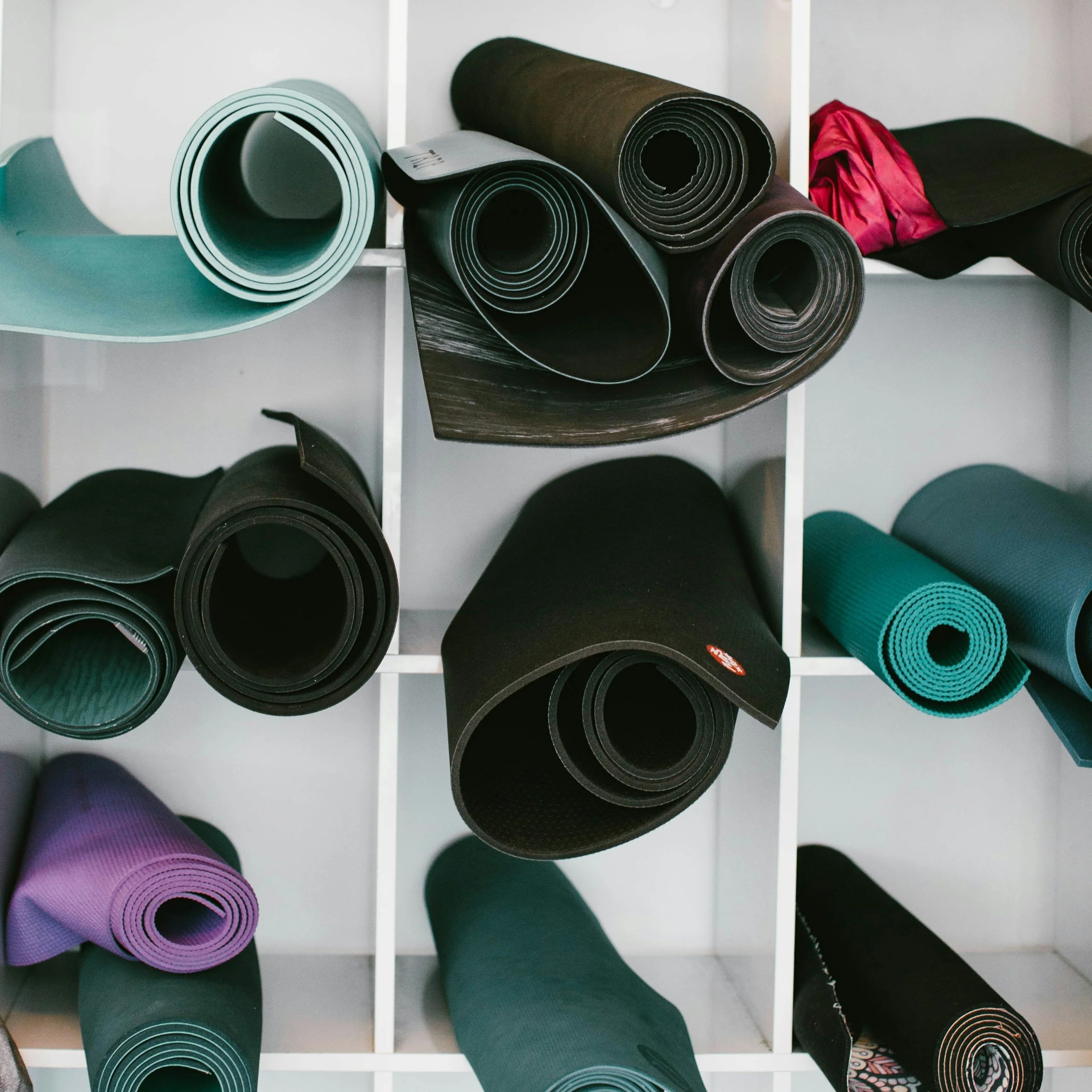
photo-@maddibazzocco
Heartfelt Yoga: Celebrating Mother's Day with Gentle Poses and Loving Intentions
Mother's Day is a cherished occasion dedicated to celebrating the remarkable women who have touched our lives with their love, wisdom, and nurturing presence. What better way to honor these incredible mothers, grandmothers, and maternal figures than with a soulful yoga practice infused with love and gratitude?
Mother's Day is a special occasion dedicated to honoring and celebrating the incredible women who have shaped our lives with their love, wisdom, and nurturing presence. As we prepare to express our gratitude for the mothers, grandmothers, and maternal figures in our lives, what better way to celebrate than with a heart-centered yoga practice?
Yoga offers a beautiful opportunity to connect with our bodies, minds, and spirits, and to cultivate feelings of love, compassion, and gratitude. In this article, we'll explore a gentle and heart-opening yoga sequence designed to honor mothers and promote a sense of well-being and relaxation.
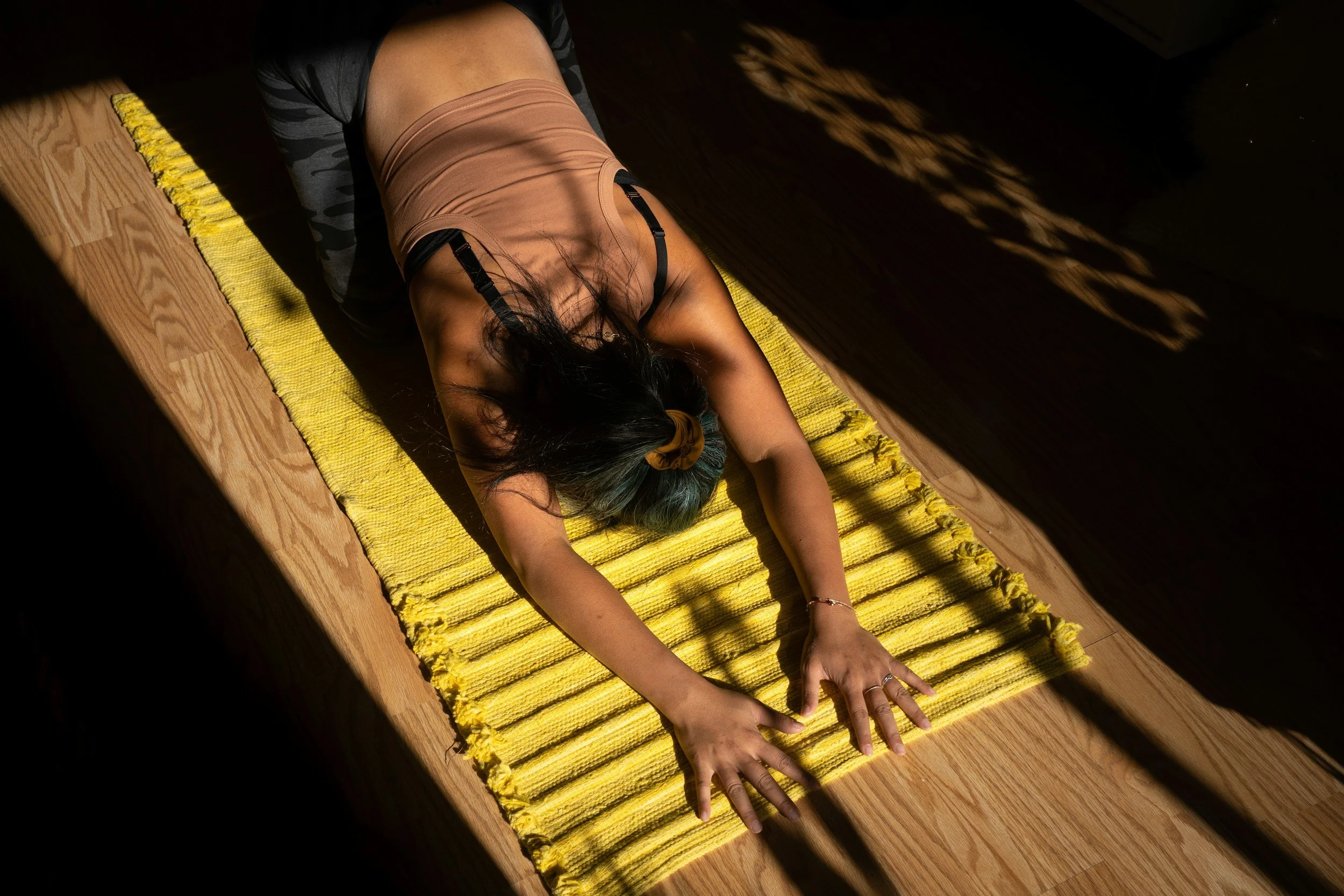
We begin our practice with Child's Pose (Balasana), a nurturing posture that invites us to surrender and find comfort in stillness. Kneeling on the mat, we gently lower our torsos down between our thighs, extending our arms forward or resting them by our sides. As we breathe deeply into the back body, we release tension and stress, creating space for love and gratitude to flow.
Moving mindfully into Cat-Cow Stretch, we warm up the spine and open the heart with each breath. Inhaling as we arch the back and lift the chest (Cow Pose), and exhaling as we round the spine and tuck the chin (Cat Pose), we sync movement with breath, inviting a sense of fluidity and ease into our practice.
Transitioning into Supported Fish Pose, we find deep relaxation and gentle expansion in the chest and heart space. Reclining back onto a yoga block or bolster positioned horizontally behind us, we allow the prop to support our spine as we soften and release tension. With each breath, we open ourselves to receive love and compassion, honoring the nurturing spirit of mothers everywhere.
As we continue our practice with Low Lunge (Anjaneyasana), we cultivate strength and stability while stretching the hip flexors and opening the heart. Stepping one foot forward into a lunge, we sink our hips down and forward, lifting the chest and reaching the arms overhead. Grounded in the present moment, we embrace a sense of vitality and renewal, embodying the resilience and grace of motherhood.
We conclude our practice with Supported Heart Opener, a restorative posture that encourages deep relaxation and connection to our innermost selves. Reclining back onto a yoga block or bolster positioned vertically behind us, we surrender to the support of the prop, allowing our hearts to open and expand with each breath. In this space of loving kindness and compassion, we honor the sacred bond between mother and child, and the infinite capacity of the heart to give and receive love.
As we close our practice, let us carry the essence of this heart-centered yoga sequence with us throughout the day, embodying the qualities of love, gratitude, and compassion in all that we do. Whether we are mothers ourselves, or we are honoring the mothers in our lives, may we celebrate this special day with deep reverence and appreciation for the gift of love that binds us together. Happy Mother's Day to all the amazing mothers out there!
Photo- @thenixcompany
Finding Balance in the Air: The Best Yoga Poses to Combat Jet Lag
Jet lag can disrupt even the most well-planned travel itineraries, leaving you feeling exhausted and out of sync with your destination. Fortunately, incorporating yoga into your travel routine can help alleviate the symptoms of jet lag and promote a smoother transition to your new time zone. Discover the best yoga poses to combat jet lag and restore balance to your body and mind, ensuring you arrive at your destination feeling refreshed and rejuvenated.
Jet lag, the bane of travelers worldwide, can leave you feeling disoriented, fatigued, and out of sync with your destination's time zone. As you cross time zones, your body's internal clock, or circadian rhythm, struggles to adjust to the new schedule, leading to a range of symptoms that disrupt your well-being. While jet lag may seem inevitable, incorporating yoga into your travel routine can help mitigate its effects and restore balance to both body and mind. Here are some of the best yoga poses to combat jet lag and promote a smoother transition to your destination.
Sun Salutations (Surya Namaskar): Begin your yoga practice with a series of sun salutations to awaken your body and invigorate your senses. This dynamic sequence of poses, which includes forward bends, backward bends, and inversions, helps stimulate circulation, boost energy levels, and activate the breath. Flowing through sun salutations upon arrival can help shake off travel fatigue and reenergize your body.
Standing Forward Bend (Uttanasana): After hours of sitting during your journey, your spine may feel compressed and your hamstrings tight. The standing forward bend provides a gentle stretch to the entire back body, releasing tension in the spine, hamstrings, and calves. This pose also calms the mind and promotes relaxation, making it an ideal posture to practice upon reaching your destination.
Seated Spinal Twist (Ardha Matsyendrasana): Twists are excellent for stimulating digestion, which can become sluggish during travel. The seated spinal twist gently massages the abdominal organs, promoting detoxification and alleviating any discomfort from irregular eating or dehydration. Twists also help release tension in the spine and improve spinal mobility, leaving you feeling refreshed and revitalized.
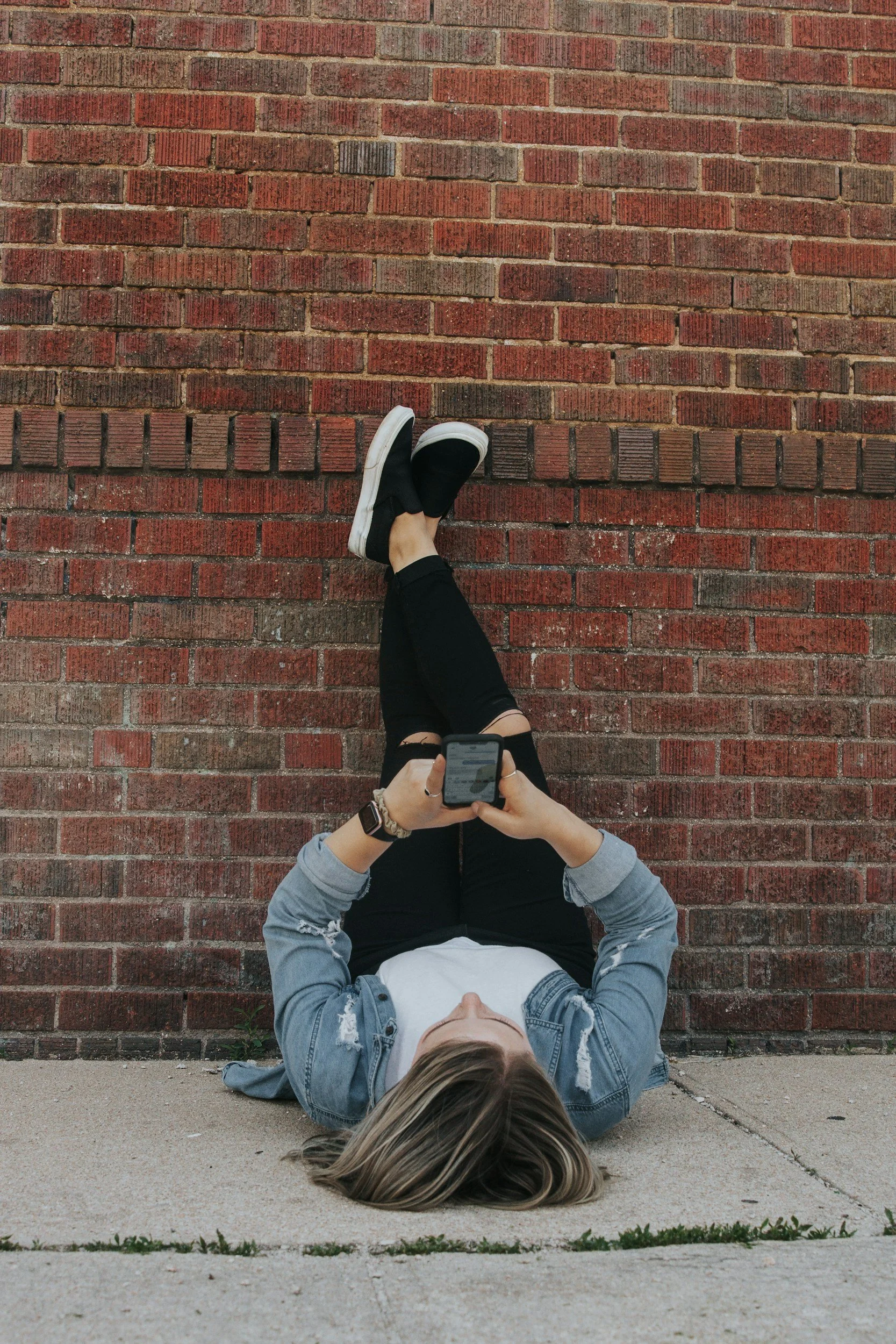
Legs-Up-the-Wall Pose (Viparita Karani): This restorative inversion is a must for combating jet lag and promoting relaxation. By elevating your legs above your heart, you encourage venous return and lymphatic drainage, reducing swelling in the legs and feet often associated with long flights. Legs-up-the-wall pose also induces a state of deep relaxation, calming the nervous system and preparing you for restorative sleep.
Child's Pose (Balasana): Ease into a state of deep relaxation with child's pose, a gentle resting posture that soothes the mind and body. This pose gently stretches the spine, hips, and thighs while promoting a sense of surrender and letting go. Child's pose is particularly beneficial for calming the nervous system and relieving tension in the neck, shoulders, and lower back.
Corpse Pose (Savasana): Conclude your yoga practice with savasana, the ultimate pose for relaxation and integration. Lie on your back with your arms and legs comfortably spread, allowing your body to fully surrender to gravity. Close your eyes, deepen your breath, and let go of any remaining tension or stress. Savasana allows for complete rest and rejuvenation, helping you feel grounded and centered as you transition into your new time zone.
Incorporating these yoga poses into your travel routine can help alleviate the symptoms of jet lag and promote a smoother adjustment to your destination's time zone. Whether practiced upon arrival or throughout your journey, yoga offers a holistic approach to combating travel fatigue and restoring balance to both body and mind. So the next time you find yourself crossing time zones, roll out your yoga mat and find solace in the ancient wisdom of yoga.
Photo- @schimiggy
The Harmonious Journey: Yoga for Weight Loss and Holistic Wellness
In the realm of weight loss, yoga offers a holistic approach that harmonizes body, mind, and spirit. Through mindfulness, physical activity, and emotional well-being, yoga empowers individuals to shed pounds while fostering self-awareness and inner peace.
In the quest for weight loss, many turn to vigorous exercise routines and strict dietary regimens, often overlooking the profound benefits of yoga. Beyond its reputation for promoting flexibility and stress relief, yoga serves as a powerful tool for achieving sustainable weight loss and holistic wellness. By harmonizing the body, mind, and spirit, yoga offers a multifaceted approach that addresses not only physical fitness but also mental and emotional well-being.
One of the key principles of yoga is mindfulness, which involves cultivating awareness of the present moment and developing a deeper connection to oneself. This mindfulness extends to our eating habits, as yoga encourages conscious eating and listening to the body's hunger and satiety signals. By practicing mindful eating, individuals can become more attuned to their body's nutritional needs and make healthier choices, ultimately supporting weight management goals.
In addition to mindfulness, yoga promotes physical activity through a variety of asanas or poses that engage different muscle groups and increase heart rate. Dynamic yoga styles such as Vinyasa or Power Yoga offer a cardiovascular workout that can help burn calories and improve metabolism. These flowing sequences of poses also enhance strength, flexibility, and endurance, contributing to overall fitness and weight loss.
Furthermore, yoga's emphasis on breath awareness and pranayama techniques plays a crucial role in weight management. Deep breathing exercises not only oxygenate the body and reduce stress but also stimulate the parasympathetic nervous system, promoting relaxation and digestion. By incorporating pranayama into their practice, individuals can enhance metabolism, optimize digestion, and support healthy weight loss.
Beyond the physical benefits, yoga addresses the emotional and psychological factors that influence weight gain and eating behaviors. Stress, anxiety, and emotional eating often contribute to weight issues, creating a cycle of unhealthy habits. Yoga offers a sanctuary for self-reflection and emotional release, helping individuals cultivate inner peace and resilience in the face of life's challenges. Through mindfulness meditation and relaxation techniques, yoga fosters emotional balance and empowers individuals to make conscious choices that align with their well-being goals.
Moreover, yoga fosters a positive body image and self-acceptance, promoting a compassionate attitude towards oneself and others. By cultivating self-love and embracing one's unique body, individuals can break free from negative thought patterns and destructive behaviors associated with weight loss struggles. Yoga encourages a holistic approach to health that prioritizes inner harmony and self-care over external standards of beauty or perfection.
In conclusion, yoga offers a holistic and sustainable approach to weight loss that addresses the interconnectedness of body, mind, and spirit. By integrating mindfulness, physical activity, breathwork, and emotional well-being, yoga empowers individuals to achieve their weight loss goals while nurturing a deeper sense of self-awareness and inner peace. Through regular practice and mindful living, yoga paves the way for lasting transformation and holistic wellness, creating a harmonious balance between body, mind, and spirit.
Photo-@ginnyrose
The Power of Legs-Up-the-Wall Pose for Deep Sleep
Legs-Up-the-Wall Pose, also known as Viparita Karani in Sanskrit, is a restorative yoga pose with profound benefits for sleep. By activating the body's relaxation response, relieving tension, and calming the mind, this gentle inversion creates the ideal conditions for falling into a deep and restful slumber
In our fast-paced world filled with constant stimulation and stress, getting a good night's sleep can sometimes feel like an elusive dream. Fortunately, there are simple yet powerful practices from the ancient tradition of yoga that can help promote relaxation and improve sleep quality. One such practice is Legs-Up-the-Wall Pose, a gentle inversion with profound benefits for the body and mind.
Legs-Up-the-Wall Pose, also known as Viparita Karani in Sanskrit, is a restorative yoga pose that involves lying on your back with your legs extended vertically up against a wall. While it may appear simple, this pose has a remarkable ability to induce a state of deep relaxation and calm, making it an effective tool for promoting restful sleep.
One of the key benefits of Legs-Up-the-Wall Pose is its ability to activate the parasympathetic nervous system, also known as the "rest and digest" response. When we are stressed or anxious, our sympathetic nervous system, responsible for the body's fight-or-flight response, is often in overdrive. This can interfere with our ability to relax and fall asleep. By practicing Legs-Up-the-Wall Pose, we initiate the parasympathetic response, signaling to the body that it is safe to rest and unwind. This shift in the nervous system helps to reduce stress levels, lower blood pressure, and promote a sense of calm conducive to sleep.
Additionally, Legs-Up-the-Wall Pose promotes venous return, or the flow of blood back to the heart, which can help alleviate swelling and discomfort in the legs and feet. Many people experience relief from symptoms of restless legs syndrome and varicose veins when practicing this pose regularly before bedtime.
Furthermore, Legs-Up-the-Wall Pose encourages deep diaphragmatic breathing, which can help to soothe the mind and relax the body. By focusing on the breath and allowing it to become slow, deep, and rhythmic, we activate the body's relaxation response and quiet the chatter of the mind. This mindful breathing practice helps to release tension and anxiety, creating the ideal conditions for falling asleep peacefully.
Another benefit of Legs-Up-the-Wall Pose is its ability to relieve tension in the lower back, hips, and hamstrings. Many of us carry stress and tightness in these areas due to prolonged sitting or standing throughout the day. By elevating the legs in this gentle inversion, we allow gravity to gently stretch and release tight muscles, promoting a sense of ease and relaxation in the body.
In addition to its physical benefits, Legs-Up-the-Wall Pose also has a calming effect on the mind. As we surrender to the support of the ground and the wall, we let go of the busyness of the day and enter a state of deep relaxation. This mental quietude can help to quiet racing thoughts and induce a sense of serenity, paving the way for a restful night's sleep.
Incorporating Legs-Up-the-Wall Pose into your bedtime routine is simple and accessible to practitioners of all levels. Aim to spend 5-10 minutes in the pose before climbing into bed, allowing yourself to fully surrender to the support of the ground and the wall. You may also choose to pair the pose with other relaxation techniques, such as gentle stretching, meditation, or visualization, to enhance its calming effects.
In conclusion, Legs-Up-the-Wall Pose is a valuable tool for promoting deep sleep and relaxation. By activating the parasympathetic nervous system, encouraging deep breathing, releasing tension in the body, and calming the mind, this gentle inversion creates the ideal conditions for falling asleep peacefully and waking up feeling refreshed and rejuvenated. So, the next time you find yourself tossing and turning at night, consider taking a few minutes to practice Legs-Up-the-Wall Pose and experience its transformative benefits for yourself.
Photo-@noellerebekah